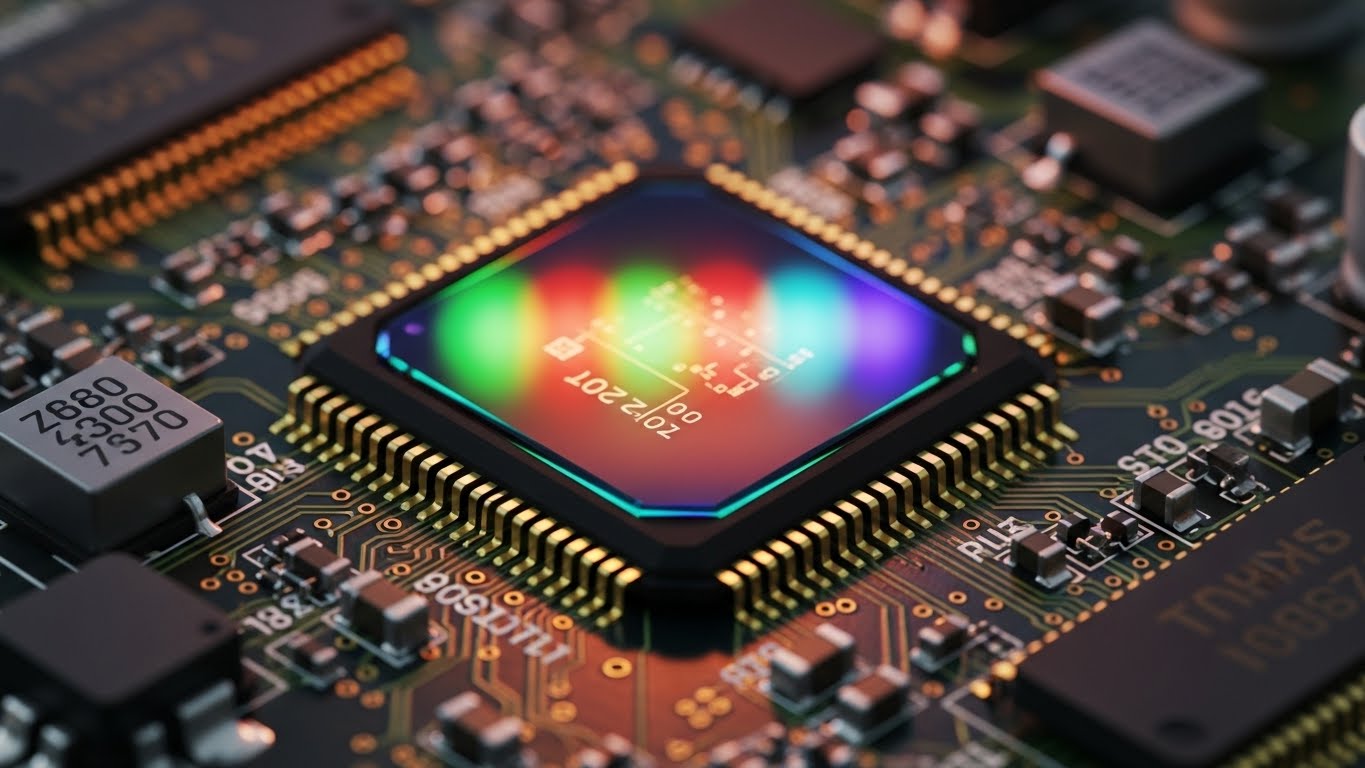
The rapid pace of technological advancements is transforming nearly every facet of our lives. From revolutionizing how we communicate to redefining the possibilities of healthcare and education, technology is becoming the backbone of progress. As we stand on the cusp of a new era, here’s a look at some of the most exciting and transformative innovations currently shaping our future.
The Age of Artificial Intelligence: Revolutionizing Industries
Artificial Intelligence (AI) is no longer a futuristic dream—it is a reality that is already reshaping industries. The core power of AI lies in its ability to process massive datasets and make decisions with minimal human input. From predictive analytics to natural language processing, AI systems are enhancing capabilities across sectors like healthcare, finance, and entertainment.
One of the most promising applications of AI is in healthcare, where machine learning algorithms are being used to identify diseases, predict patient outcomes, and even assist in surgeries. The future of AI will likely bring even more profound shifts, such as self-learning systems and smarter automation tools that can revolutionize everything from business operations to personal assistants.
Quantum Computing: A Leap into Uncharted Territory
Quantum computing represents a dramatic shift in the way we approach problem-solving. Traditional computers rely on binary bits to process information, but quantum computers use quantum bits, or qubits, which can exist in multiple states simultaneously. This allows them to perform calculations exponentially faster than conventional computers.
Although quantum computing is still in its infancy, its potential is vast. It could help solve some of the world’s most complex problems, including simulating chemical reactions for drug development, optimizing supply chains in real time, or breaking encryption codes that are currently uncrackable by classical computers. As quantum technology matures, the world of computing will undergo a radical transformation, opening up new possibilities that we can only begin to imagine.
5G Networks: Enabling a Connected World
The rollout of 5G technology is one of the most eagerly anticipated advancements in the tech world. This next-generation network promises to provide ultra-fast speeds, ultra-low latency, and the ability to connect a massive number of devices seamlessly. For consumers, this means faster download speeds and more reliable internet connections. However, the true potential of 5G lies in how it will enable the expansion of the Internet of Things (IoT).
With 5G, everything from your refrigerator to your car can be connected in real time. This will allow for smarter cities, where traffic lights adjust based on real-time traffic data, and even autonomous vehicles that can communicate with each other to reduce accidents and improve traffic flow. The widespread adoption of 5G will create a more connected and efficient world.
Biotechnology: Harnessing the Power of Life
Biotechnology is one of the most promising fields with the potential to revolutionize healthcare and medicine. Advances in genetic engineering, personalized medicine, and synthetic biology are already leading to groundbreaking treatments for previously incurable diseases. Technologies like CRISPR gene-editing are making it possible to alter the DNA of living organisms, opening up the potential for curing genetic diseases and enhancing human capabilities.
In addition to gene-editing, biotechnologies are also improving drug development. By understanding the genetic makeup of diseases, scientists can now develop drugs that are specifically tailored to individual patients, reducing side effects and improving efficacy. In the near future, biotech innovations will continue to push the boundaries of what is possible in medicine, creating new avenues for treating illness and improving quality of life.
The Metaverse: A New Digital Realm
The Metaverse is a concept that has gained significant attention in recent years, thanks to the rise of virtual and augmented reality technologies. It represents a collective, virtual shared space where users can interact with each other and digital environments in real-time. Think of it as a digital universe where people can work, play, shop, socialize, and even own virtual property.
While the Metaverse is still in the early stages of development, companies are already investing heavily in creating immersive digital worlds. With the integration of VR, AR, and blockchain technologies, the Metaverse could one day be as integral to daily life as the internet is today. From virtual meetings to entertainment and education, the possibilities within the Metaverse are vast, offering new ways for people to connect and interact.
Robotics: From Automation to Assistance
Robotics has made tremendous strides in recent years, moving beyond traditional industrial applications into more complex and human-centric roles. Robots are no longer just used on assembly lines; they are being employed in fields like healthcare, where they assist in surgeries or provide companionship to elderly individuals. With improvements in AI, robots are becoming more adaptive and capable of learning from their environments, which opens up even more possibilities for their use.
One area where robotics is making a significant impact is in disaster response and rescue operations. Robots equipped with advanced sensors and AI are being deployed to dangerous locations, such as collapsed buildings or hazardous environments, to help rescue teams assess damage and locate survivors. The future of robotics will see more autonomous and multifunctional machines that work alongside humans to tackle challenges in ways previously thought impossible.
Renewable Energy: A Sustainable Future
As the world faces the growing threat of climate change, the demand for renewable energy sources is reaching a fever pitch. Solar, wind, and hydropower technologies have been around for years, but recent innovations are making these sources of energy more efficient, cost-effective, and scalable than ever before. Energy storage technologies, such as advanced batteries, are also improving, making it easier to harness renewable energy when the sun isn’t shining or the wind isn’t blowing.
In the future, renewable energy will play an even more dominant role in powering our homes, industries, and transportation systems. The adoption of electric vehicles, smart grids, and green building technologies will reduce our dependence on fossil fuels and pave the way toward a more sustainable future. The next few decades will likely see a global shift toward clean energy, helping to mitigate the impacts of climate change and secure a healthier planet for future generations.
Conclusion: The Unstoppable March of Technology
As we look ahead, it’s clear that technology will continue to play an increasingly central role in shaping our world. Whether it’s through the power of AI, the promise of quantum computing, or the rise of the Metaverse, these innovations are driving us toward an exciting future. The potential for change is limitless, and the key to harnessing these advancements will lie in how we use them to address the challenges of our time.
While the rapid pace of technological change can be overwhelming, it’s also an incredible opportunity to push the boundaries of what’s possible. As we move forward, it’s crucial that we not only embrace these innovations but also ensure they are used ethically and responsibly to benefit society as a whole. The future is bright, and technology is leading the way.