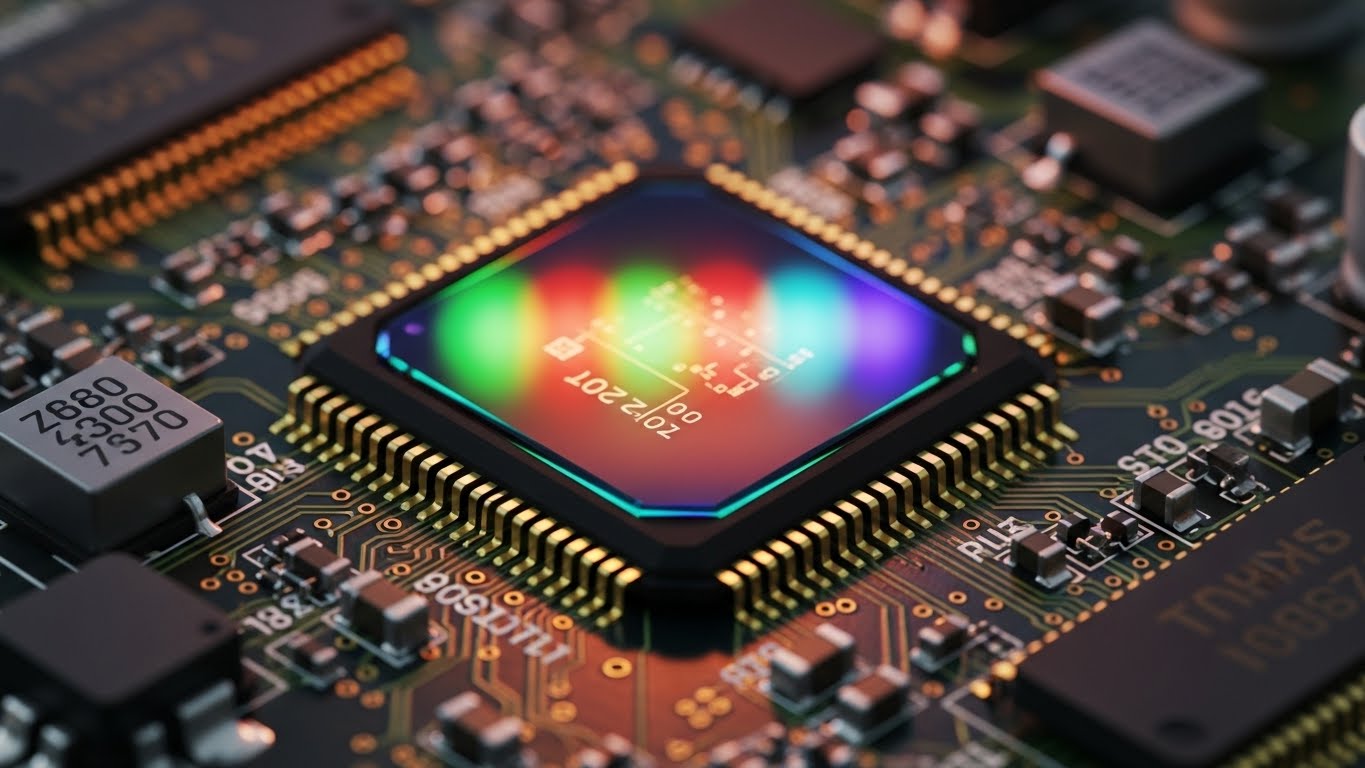
Introduction: The Ever-Present Force of Technology
Technology has become an integral part of modern life. From the devices we use daily to the systems that power global economies, technology shapes how we communicate, work, learn, and entertain ourselves. Its influence is undeniable, transforming industries, society, and culture at an unprecedented pace.
While some view technology as simply a tool, it has become a force that drives innovation, creativity, and human progress. Understanding its impact helps us navigate the challenges and opportunities of the digital era while appreciating the ways it enhances our daily lives.
The Evolution of Technology
The journey of technology spans centuries, evolving from simple tools to complex systems that influence every aspect of life. Early innovations like the wheel, printing press, and steam engine revolutionized society by increasing efficiency and connectivity.
The 20th century brought about computers, telecommunications, and the internet, laying the foundation for a globally connected world. Today, emerging technologies such as artificial intelligence, robotics, blockchain, and quantum computing are driving the next wave of innovation, creating opportunities and challenges that shape industries and lifestyles.
Technology and Communication
Communication has been profoundly transformed by technology. Mobile devices, social media platforms, and instant messaging allow people to connect across continents in real time. Information sharing has become faster, more accessible, and interactive.
Virtual meeting tools and collaborative platforms have revolutionized workplaces, enabling remote work and global collaboration. These advances have not only increased productivity but also changed social dynamics, making it easier to maintain personal and professional relationships in an interconnected world.
Technology in Healthcare
Healthcare has experienced a technological revolution. Medical imaging, robotic surgery, wearable devices, and telemedicine have improved diagnostics, treatment, and patient monitoring. Artificial intelligence assists doctors in analyzing data, predicting outcomes, and personalizing treatment plans.
Technology also enhances preventive care and health awareness. Fitness trackers, mobile health apps, and online resources empower individuals to monitor their health, make informed decisions, and maintain healthier lifestyles. The integration of technology in healthcare has not only improved outcomes but also increased accessibility and efficiency.
Technology and Education
Technology has transformed the way we learn. Online learning platforms, virtual classrooms, and digital resources provide access to education for people worldwide. Students can engage with interactive materials, collaborate with peers, and explore subjects at their own pace.
Artificial intelligence and adaptive learning technologies personalize education, helping learners focus on areas where they need improvement. Technology also facilitates lifelong learning, offering opportunities for skill development and professional growth beyond traditional classrooms. The digitalization of education makes learning more inclusive, flexible, and engaging.
Artificial Intelligence and Automation
Artificial intelligence (AI) and automation are redefining industries and workflows. AI algorithms analyze vast amounts of data to identify patterns, optimize processes, and enhance decision-making. Automation streamlines repetitive tasks, allowing humans to focus on creative, strategic, and complex work.
Industries from manufacturing to finance, logistics to healthcare, are leveraging AI and automation to improve efficiency, reduce errors, and increase productivity. While these technologies bring remarkable benefits, they also raise ethical questions about employment, privacy, and decision-making, emphasizing the need for responsible implementation.
The Role of Technology in Business
Technology is a driving force behind modern business innovation. Cloud computing, data analytics, and enterprise software enable companies to operate efficiently, respond to market trends, and make informed decisions. E-commerce platforms have transformed retail, allowing businesses to reach global audiences.
Digital marketing tools enhance customer engagement through targeted strategies, while communication technologies facilitate collaboration across teams and geographies. Businesses that embrace technology gain a competitive advantage, improving operational efficiency, customer experience, and profitability.
Technology in Entertainment
Entertainment has been transformed by technology. Streaming platforms, video games, virtual reality, and augmented reality provide immersive experiences that were once unimaginable. Technology allows creators to innovate in storytelling, visual effects, and interactivity, engaging audiences in new ways.
Social media and digital content platforms give users the ability to create, share, and consume entertainment on a global scale. The democratization of media and creative tools has expanded opportunities for artists, performers, and developers, shaping culture and entertainment in the digital age.
Cybersecurity and Data Privacy
As technology advances, cybersecurity and data privacy have become critical concerns. Personal information, financial transactions, and corporate data are increasingly vulnerable to cyber threats. Protecting digital assets requires robust encryption, secure networks, and awareness of potential risks.
Individuals and organizations must adopt proactive security measures, including multi-factor authentication, regular updates, and risk monitoring. Responsible data handling and privacy practices are essential in maintaining trust and ensuring the safe use of technology in daily life.
The Internet of Things (IoT)
The Internet of Things connects devices, systems, and environments, creating a seamless digital ecosystem. Smart homes, wearable devices, connected vehicles, and industrial sensors enable real-time monitoring, automation, and data-driven decision-making.
IoT enhances convenience, efficiency, and safety, from controlling home appliances remotely to optimizing industrial processes. The growing network of connected devices illustrates how technology integrates into physical environments, enhancing both personal and professional experiences.
Technology and Social Change
Technology is a catalyst for social change. Social media platforms amplify voices, facilitate activism, and enable global awareness of social issues. Digital tools promote transparency, community engagement, and collaboration, empowering individuals and organizations to influence society positively.
Technological innovations also address global challenges, including climate change, healthcare access, and education. By providing scalable solutions and platforms for innovation, technology drives social progress while reshaping the ways communities interact and mobilize.
Sustainable Technology and Green Innovation
Sustainability is becoming a central focus in technological development. Green technologies, renewable energy systems, and energy-efficient devices aim to reduce environmental impact while supporting innovation. Smart grids, electric vehicles, and sustainable manufacturing processes demonstrate how technology can balance progress with ecological responsibility.
Innovation in sustainability encourages industries and individuals to adopt environmentally friendly practices, demonstrating that technology can be a force for positive change and long-term global benefit.
The Future of Technology
The future of technology promises even greater innovation and transformation. Artificial intelligence, quantum computing, biotechnology, and advanced robotics are expected to revolutionize industries, healthcare, education, and daily life.
Emerging trends will emphasize personalization, accessibility, interactivity, and sustainability. Ethical considerations, including privacy, fairness, and environmental impact, will play a crucial role in guiding responsible technological development. The future will be defined by the collaboration between human ingenuity and technological potential.
Conclusion: Technology as a Catalyst for Progress
Technology is not merely a tool; it is a catalyst that shapes human experience, culture, and society. It transforms communication, healthcare, education, business, entertainment, and social interactions, driving innovation and progress across the globe.
While technology presents challenges such as cybersecurity risks, ethical dilemmas, and environmental concerns, its benefits are transformative. By embracing responsible, innovative, and inclusive approaches, technology can continue to enhance lives, empower communities, and drive a sustainable future.
In the modern era, understanding and leveraging technology is essential. It empowers individuals, fuels creativity, strengthens connections, and opens doors to opportunities that were once unimaginable. Technology is not just about gadgets and systems; it is about shaping a world where innovation and human potential converge to create a better tomorrow.