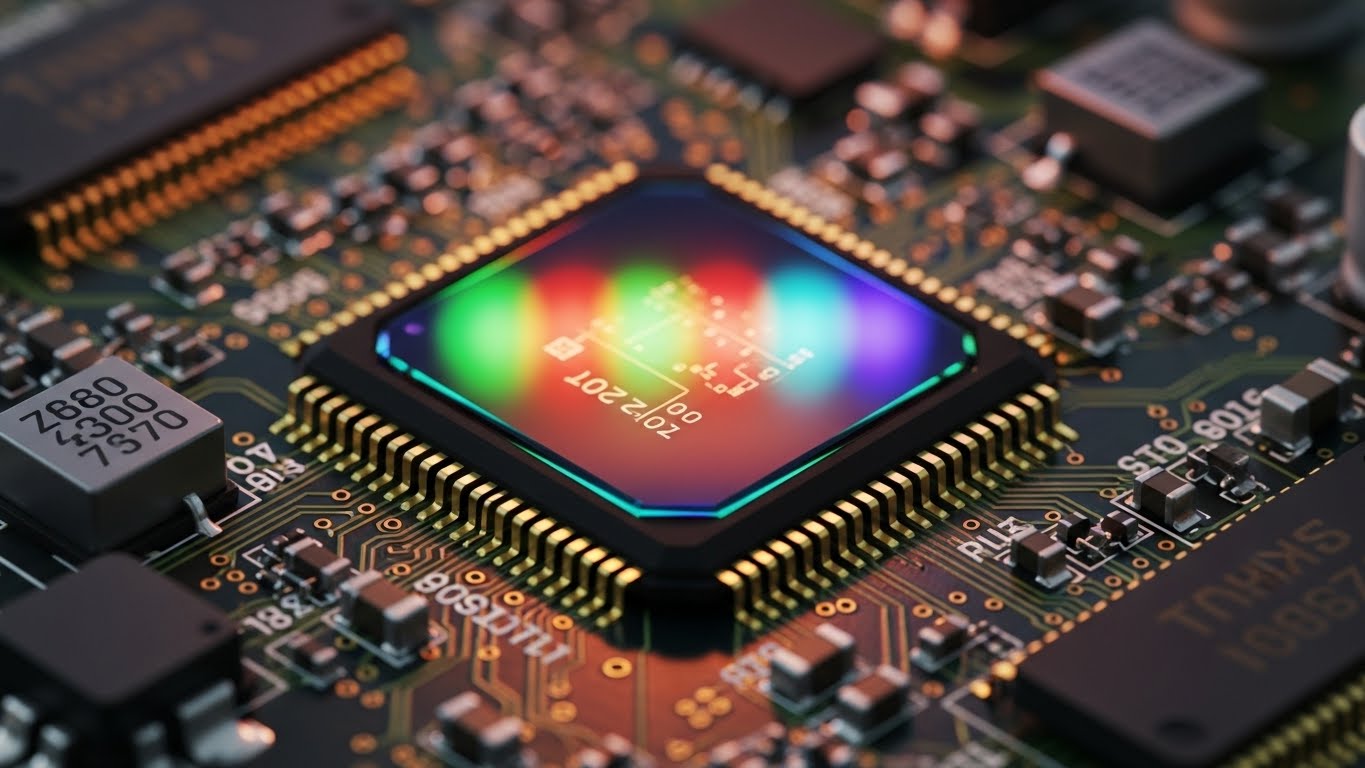
Technology often steals the spotlight with flashy gadgets, futuristic designs and bold announcements. Yet some of the most transformative innovations today are the ones operating quietly in the background, shaping our habits, decisions and opportunities without our constant awareness. This silent revolution is not defined by devices, but by the deeply integrated systems and invisible mechanisms that make modern life smoother, faster and more connected than ever before.
Below is an in-depth exploration of how subtle technological forces are influencing our world, and why understanding them matters for anyone living in the digital age.
The Shift Toward Ambient Intelligence
In recent years, the concept of ambient intelligence has moved from theory to reality. Unlike the tech that requires our active interaction, ambient intelligence blends into our surroundings, learning from our behavior and responding without commands. Smart thermostats adjust room temperatures based on patterns they detect. Lighting systems brighten or dim according to the time of day and our personal preferences. Even scheduling apps now anticipate travel time or delays before we ask.
This seamless support is made possible by a combination of sensors, machine learning and interconnected devices. The ultimate purpose is to reduce friction and allow technology to adapt in real time. The more we rely on these systems, the more they can anticipate our needs, creating an environment that feels almost intuitive. Though unobtrusive, this shift represents a massive leap forward in user experience, marking a future in which technology is less about tapping and typing and more about being naturally understood.
Data as a Hidden Engine
Every interaction we make with digital systems produces data, and this data fuels the silent evolution of technology. From our shopping preferences to the time we spend on certain apps, these bits of information help systems learn patterns, optimize processes and deliver personalized experiences.
What many people don’t realize is how many of the conveniences they enjoy today owe their power to data analytics operating in the background. Recommendations on streaming platforms, fraud detection in banking apps and even efficient ride-sharing routes all rely on extensive data processing.
However, this hidden engine raises important conversations about privacy and ethics. As data grows in importance, so does the need to protect it. Users are becoming more aware of how their information is used, prompting tech companies to develop stronger safety measures and transparent practices. Balancing convenience with responsibility is a key challenge in the era of silent technologies.
The Invisible Hand of Artificial Intelligence
AI may seem like a dramatic, headline-grabbing technology, but much of its true impact happens behind the scenes. While robots and chatbots get plenty of attention, the majority of AI’s influence is embedded in everyday systems.
AI filters spam before it reaches your inbox. It predicts traffic congestion and adjusts digital maps accordingly. It enhances smartphone cameras by optimizing lighting and color. It powers translation tools that break language barriers in seconds. These subtle integrations demonstrate how AI works quietly to refine our experiences without drawing attention to itself.
One of the most significant areas where AI works silently is healthcare. Machine learning algorithms analyze medical scans, detect anomalies early and assist in diagnostic decisions. Although patients may never see these systems in action, their accuracy and speed help save countless lives.
The challenge moving forward lies in ensuring AI remains beneficial and unbiased. As these systems take on more decision-making roles, the responsibility to train them ethically becomes essential for maintaining trust.
The Cloud: The Digital World’s Invisible Backbone
A decade ago, storing large amounts of data or running powerful applications required expensive hardware and local servers. Today, cloud computing has rewritten the rules. Despite being largely invisible to users, the cloud acts as the backbone for thousands of services we depend on daily.
When you upload a photo, join a video meeting or collaborate on a shared document, cloud infrastructures enable it effortlessly. Businesses rely on cloud platforms for storage, security, analytics and remote collaboration. This invisible architecture allows companies of all sizes to operate with agility and scale rapidly without heavy physical investments.
What makes cloud technology so remarkable is its ability to run powerful tools without being visible at all. It exists in data centers across the world, far from where we interact with it, yet it shapes nearly everything we do online.
Edge Computing and Real-Time Intelligence
While the cloud remains essential, another silent technology is rising alongside it: edge computing. Instead of processing data far away, edge computing processes information near the source. This reduces delays and makes real-time functions more reliable.
For instance, autonomous vehicles cannot wait for cloud servers to process data before making critical decisions. Smart manufacturing equipment needs instant feedback to maintain precision and safety. Even augmented reality apps perform better when calculations happen on the edge.
Edge computing enhances experiences that demand speed and responsiveness. Though users may never see the systems enabling these improvements, the results are noticeable in performance, accuracy and reliability.
The Rise of Invisible Security
Cybersecurity used to be something people thought about only when they installed antivirus software. Today, invisible security systems work continuously in the background to defend users from sophisticated threats.
Modern security tools monitor patterns instead of waiting for known viruses. They learn behaviors, identify unusual activity and block attacks before users ever notice. Biometric authentication, such as facial recognition or fingerprint scanning, adds another layer of seamless protection.
Despite being hidden, these systems perform some of the most critical work in the tech ecosystem. Yet they also remind us of the importance of vigilance. As threats evolve, so must the technologies defending against them. The future of invisible security depends on constant innovation and user awareness.
Digital Assistants and the Human-Tech Relationship
Digital assistants have become one of the most common examples of silent technology. Whether embedded in smartphones, speakers or cars, these assistants listen for our commands but also work quietly in the background, organizing information and learning preferences.
Their role is shifting from reactive to proactive. Instead of simply answering questions, they now offer reminders, plan routes, update calendars and predict needs. Some systems even identify changes in tone or behavior to provide more emotionally aware responses.
This evolution reflects a broader trend: the merging of human intuition with digital intelligence. The relationship between people and technology is becoming more collaborative, with each enhancing the other’s capabilities. The better these assistants understand us, the more seamlessly they can integrate into our routines.
Sustainable Tech Hidden in Everyday Life
Sustainability has become a major driver of innovation, and many of the most impactful green technologies operate quietly. Energy-efficient processors reduce power consumption in laptops and phones. Adaptive brightness settings save battery life. Smart grids optimize electricity distribution across cities. Even home appliances now use sensors to minimize waste.
These technologies do not make bold announcements, but their collective impact is huge. By reducing energy usage and improving efficiency, silent sustainability technologies help societies progress toward a greener future without demanding constant attention.
The Future of Invisible Tech
As silent technologies continue to evolve, several trends will shape their future. First, personalization will grow deeper. Systems will not only react to user preferences but anticipate them with greater precision. Second, the boundary between physical and digital environments will continue to blur as sensors, AI and ambient computing become universal. Finally, ethical design will take center stage, ensuring that convenience never compromises privacy or fairness.
The most successful technologies of the future may not be the ones that shine the brightest, but the ones that blend so seamlessly into life that we barely notice they are there. This shift marks a new era where innovation feels natural, intuitive and integrated.
Conclusion
The silent revolution in technology is not defined by dramatic inventions or flashy devices. Instead, it is powered by the invisible systems enhancing daily life at every turn. Ambient intelligence, data analytics, AI, cloud infrastructure, edge computing, invisible security, digital assistants and sustainable solutions all contribute to a world that operates more efficiently and intelligently than ever before.
Understanding these hidden forces not only helps us appreciate the sophistication of modern technology but also empowers us to navigate the digital age with awareness and confidence. The most impactful innovations are often the quietest, quietly shaping our routines, decisions and possibilities while remaining largely unseen.
If you want, I can also format this as HTML, expand it to 2000 words or tailor it for a specific audience such as beginners, tech professionals or students.