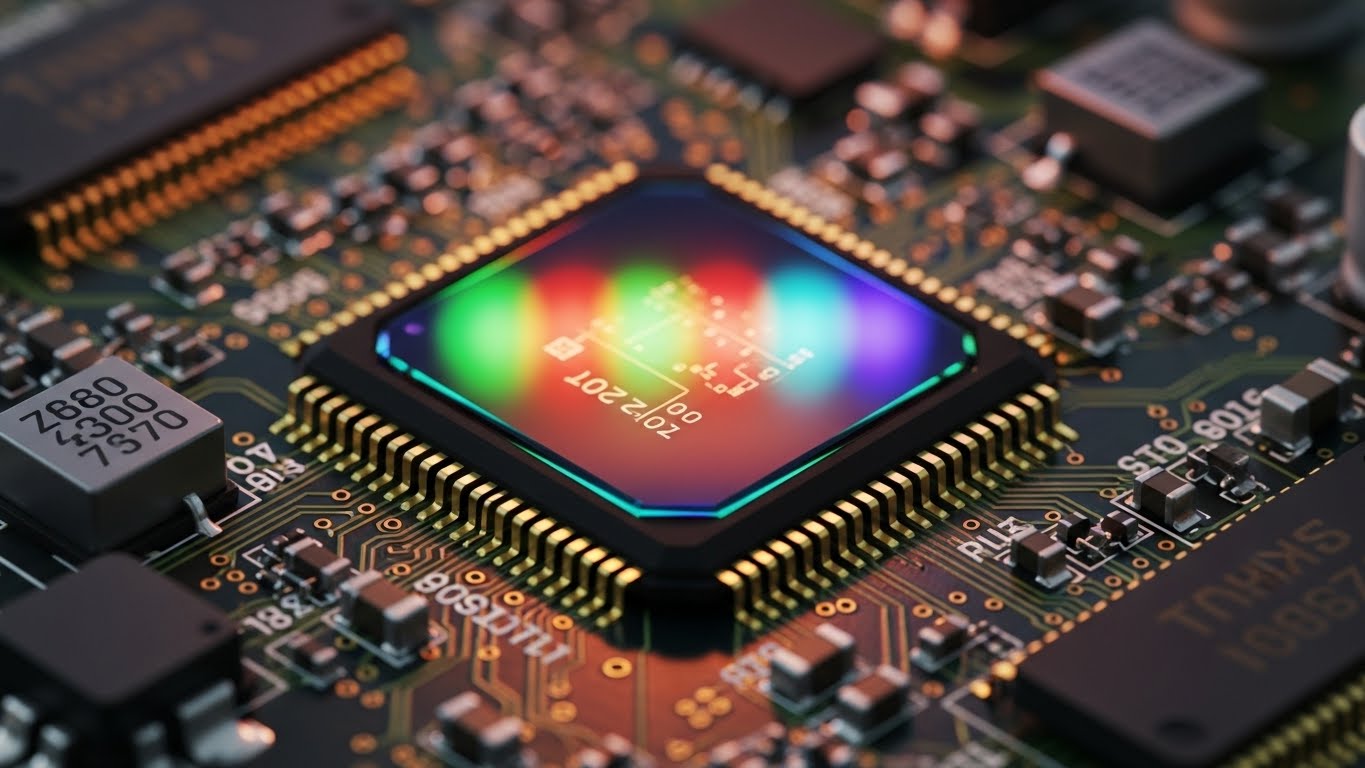
Technology has always been the driving force behind human progress, from the invention of the wheel to the rise of the internet. In the 21st century, the pace of technological innovation is accelerating faster than ever before, impacting nearly every aspect of daily life, from the way we work and communicate to how we learn and entertain ourselves. Emerging technologies such as artificial intelligence, blockchain, quantum computing, and biotechnology are no longer confined to science fiction—they are transforming industries, economies, and societies in profound ways. This blog explores the most influential technological trends of today and their potential to shape the future.
Artificial Intelligence: The Brain Behind Modern Technology
Artificial intelligence (AI) has become a cornerstone of modern technological development. Unlike traditional software that follows explicit instructions, AI systems can learn from data, identify patterns, and make decisions with minimal human intervention. Machine learning, a subset of AI, enables systems to improve performance over time without being explicitly programmed. This capability is transforming industries such as healthcare, finance, transportation, and entertainment.
In healthcare, AI is being used to analyze medical images, detect early signs of diseases, and even assist in drug discovery. AI algorithms can process vast amounts of medical data in seconds, identifying patterns that would take human experts years to uncover. Similarly, in finance, AI-driven algorithms are enhancing fraud detection, predicting market trends, and personalizing customer experiences.
However, AI is not without its challenges. Ethical concerns regarding bias, privacy, and decision-making accountability continue to spark debate. As AI becomes more integrated into daily life, society must ensure that these systems are transparent, fair, and used responsibly.
Quantum Computing: The Next Frontier of Computation
Quantum computing represents a revolutionary shift from classical computing. Traditional computers use bits, represented as either 0 or 1, to perform calculations. Quantum computers, however, utilize quantum bits, or qubits, which can exist in multiple states simultaneously thanks to the principle of superposition. This allows quantum machines to process complex computations exponentially faster than classical computers.
The potential applications of quantum computing are vast. In medicine, it could accelerate drug discovery by simulating molecular interactions at an unprecedented scale. In cybersecurity, quantum computers could both strengthen encryption methods and challenge existing ones, requiring the development of quantum-safe security protocols. Industries like logistics, climate modeling, and artificial intelligence could also benefit from quantum acceleration.
Despite its promise, quantum computing faces significant technical challenges. Maintaining qubit stability, reducing error rates, and scaling systems for practical use remain ongoing obstacles. Nevertheless, governments and private companies worldwide are investing heavily in quantum research, signaling a transformative shift on the horizon.
Blockchain Technology: Beyond Cryptocurrency
While blockchain is most commonly associated with cryptocurrency, its applications extend far beyond digital money. At its core, blockchain is a decentralized ledger that records transactions in a secure, transparent, and tamper-proof manner. This technology has the potential to disrupt multiple sectors by enhancing trust, transparency, and efficiency.
In supply chain management, blockchain can track products from origin to consumer, ensuring authenticity and reducing fraud. In finance, it enables faster and more secure cross-border payments. In governance, blockchain can be used to create transparent voting systems, reducing the risk of electoral fraud.
The decentralized nature of blockchain also introduces new paradigms for digital identity, intellectual property management, and data sharing. While the technology is still evolving, its potential to reshape industries and create new business models is undeniable.
Biotechnology: The Intersection of Life and Technology
Biotechnology is bridging the gap between technology and biology, offering unprecedented ways to understand, manipulate, and enhance living systems. From CRISPR gene-editing tools to synthetic biology, biotech innovations are transforming medicine, agriculture, and environmental management.
CRISPR technology, for instance, allows scientists to precisely edit genes, opening possibilities for treating genetic disorders, enhancing crop resilience, and even combating viruses. Synthetic biology, which involves designing and constructing new biological parts or systems, is enabling the development of biofuels, biodegradable materials, and lab-grown food products.
However, with great power comes great responsibility. Ethical considerations, regulatory frameworks, and public trust are critical in ensuring that biotechnology benefits society while minimizing potential risks. The convergence of biology and technology promises a future where disease prevention, sustainable food production, and environmental conservation are no longer distant goals but achievable realities.
Internet of Things (IoT): Connecting the Physical World
The Internet of Things (IoT) refers to the network of interconnected devices that communicate and exchange data over the internet. From smart homes and wearable devices to industrial sensors and autonomous vehicles, IoT is creating a connected ecosystem that enhances efficiency, convenience, and insight.
In smart homes, IoT devices can monitor energy usage, adjust lighting, and optimize security systems. In industries, IoT sensors track equipment performance, prevent breakdowns, and improve productivity. Cities are also becoming smarter, using IoT infrastructure to manage traffic, reduce energy consumption, and enhance public services.
Despite its benefits, IoT raises concerns regarding data security, privacy, and interoperability. With billions of devices connected to the internet, safeguarding sensitive information and ensuring seamless communication between devices remain critical challenges.
Augmented and Virtual Reality: Transforming Human Experience
Augmented reality (AR) and virtual reality (VR) are changing how humans interact with digital content. AR overlays digital information onto the real world, enhancing experiences in gaming, education, retail, and healthcare. VR immerses users in a completely virtual environment, providing transformative opportunities for training, entertainment, and remote collaboration.
In education, AR and VR can create interactive learning experiences, enabling students to explore complex concepts in 3D. In healthcare, VR simulations help train surgeons, while AR assists in performing precise medical procedures. Retailers are leveraging AR to allow customers to visualize products before purchase, enhancing engagement and reducing returns.
The convergence of AR, VR, and AI is paving the way for mixed reality experiences, where digital and physical worlds seamlessly interact. As hardware becomes more affordable and software more sophisticated, immersive technologies are poised to redefine how we work, play, and connect.
Green Technology: Innovation for a Sustainable Future
Sustainability is increasingly becoming a central focus of technological innovation. Green technologies aim to reduce environmental impact, promote renewable energy, and improve resource efficiency. From solar panels and wind turbines to electric vehicles and energy-efficient buildings, technology is driving the transition toward a more sustainable world.
Energy storage innovations, such as advanced batteries and grid-scale storage systems, are critical for integrating renewable energy sources into daily life. Smart grids and energy management systems optimize electricity distribution, reducing waste and improving reliability. In agriculture, precision farming technologies minimize water usage, optimize fertilizer application, and increase crop yields.
The adoption of green technology is not just an environmental necessity; it is also an economic opportunity. Companies investing in sustainable solutions are gaining a competitive edge, as consumers and governments increasingly prioritize eco-friendly practices.
The Role of 5G and Future Connectivity
High-speed connectivity is the backbone of modern technology. The rollout of 5G networks is transforming how we access and interact with digital services. With faster speeds, lower latency, and higher capacity, 5G enables seamless communication between devices, supporting innovations in autonomous vehicles, IoT, AR/VR, and smart cities.
Beyond 5G, researchers are exploring 6G networks, which promise even greater speed, ultra-low latency, and advanced integration of AI. Future connectivity will support the development of smart infrastructure, autonomous systems, and immersive experiences, creating a highly interconnected digital ecosystem.
Challenges and Ethical Considerations
While technological advancements offer immense benefits, they also present challenges and ethical dilemmas. Privacy, cybersecurity, and data protection are major concerns in an increasingly digital world. The rise of AI and automation raises questions about job displacement and economic inequality. Biotechnology and genetic engineering bring ethical debates about human enhancement and environmental impact.
Society must strike a balance between embracing innovation and ensuring responsible use. Policymakers, technologists, and the public need to collaborate to create frameworks that promote safety, fairness, and sustainability. Ethical considerations must be embedded in the design and deployment of technology to ensure it serves humanity rather than undermines it.
Conclusion: Embracing a Technologically Advanced Future
The rapid pace of technological innovation is reshaping every aspect of human life. From AI and quantum computing to biotechnology, IoT, and immersive realities, these advancements are creating opportunities and challenges that demand careful consideration. Technology is not just a tool; it is a force that is redefining industries, societies, and our understanding of what is possible.
The future will be defined by how we harness these innovations responsibly and creatively. By embracing technological advancements while addressing ethical and societal concerns, humanity can build a future that is not only smarter and more efficient but also more equitable and sustainable. The era of transformative technology is here, and those who adapt and innovate will shape the world of tomorrow.