
Introduction
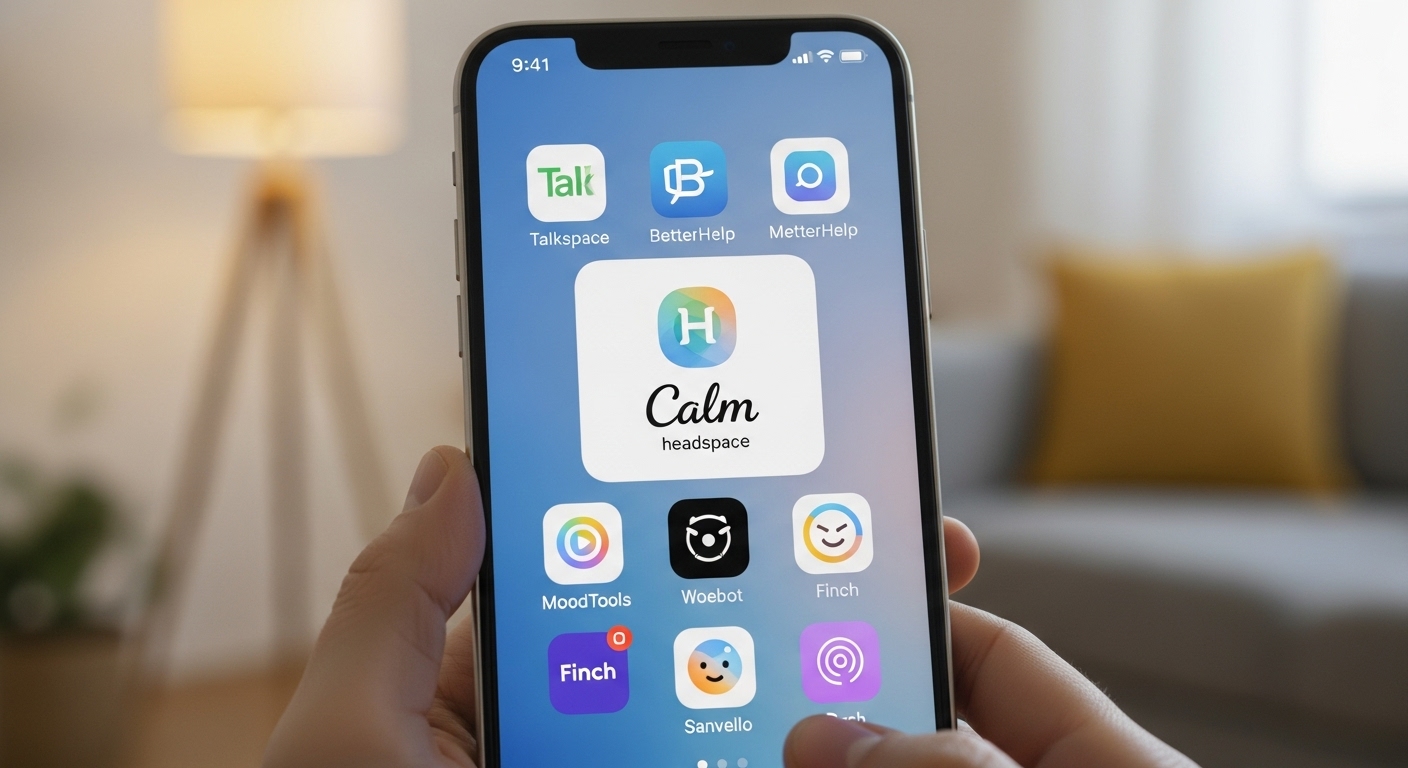
In the modern digital world, smartphones and mobile applications have become an integral part of our daily lives. People use apps for shopping, entertainment, fitness, communication, and productivity. One of the most important areas where apps have made a significant impact is mental health. As awareness of mental well-being continues to grow, technology has stepped in to make support more accessible than ever. Mental health apps now provide tools for managing stress, tracking mood, practicing meditation, connecting with professionals, and building healthier habits.
For many individuals, these apps serve as companions in their wellness journey, offering a sense of comfort and empowerment. They can’t replace professional therapy or medication when needed, but they act as valuable supplements that fit into daily routines. With countless apps available, understanding the best options for different needs is essential. This blog explores the best apps for mental health, their features, benefits, and how they are transforming the way people approach emotional well-being.
The Rise of Mental Health Apps
The increasing popularity of mental health apps is closely linked to the growing conversation around emotional well-being and the reduction of stigma surrounding conditions like anxiety, depression, and stress. Traditional mental health care has often faced barriers such as cost, limited access to qualified professionals, and long waiting lists. Mobile apps help bridge these gaps by providing affordable and immediate support.
Over the past decade, app developers, psychologists, and wellness experts have collaborated to create solutions that blend science with technology. The COVID-19 pandemic accelerated the use of mental health apps as people sought ways to cope with isolation, uncertainty, and stress. Since then, these apps have become an integral tool for many who want proactive ways to maintain mental health.
Features That Define the Best Mental Health Apps
The most effective mental health apps share common features that make them practical and supportive. These features include mood tracking, guided meditations, journaling tools, breathing exercises, cognitive behavioral therapy-based practices, community support, and sometimes even professional consultations. Many of these apps are customizable, allowing users to tailor their experience according to personal needs. Accessibility is also a key factor, as these apps often work across devices and offer free or affordable versions.
Apps for Meditation and Mindfulness
Meditation and mindfulness practices are proven to reduce stress, enhance focus, and improve emotional well-being. Several apps have become leaders in this category, offering guided sessions and calming exercises.
One of the most popular apps provides a wide library of guided meditations for sleep, focus, and relaxation. It includes soothing music, bedtime stories for adults, and daily reminders to practice mindfulness. Another leading mindfulness app combines structured meditation courses with quick breathing exercises for busy people. It allows users to practice anywhere, even during a short break at work.
Other mindfulness apps also focus on simplicity, helping beginners ease into meditation through short sessions while offering advanced practices for experienced users. These platforms make it easier for individuals to manage daily stress and build long-term resilience.
Apps for Therapy and Counseling
For people seeking professional guidance, therapy-based apps are a powerful resource. These apps connect users with licensed therapists through text, audio, or video sessions. The convenience of being able to talk to a therapist from home has made therapy more accessible, especially for individuals in remote areas or those with busy schedules.
Some therapy apps allow unlimited messaging with a professional, while others provide scheduled weekly sessions. Many also match users with therapists based on their specific needs, such as anxiety, depression, or relationship challenges. This personalized approach helps people find the right fit without the traditional barriers of in-person therapy.
Although these apps are not a replacement for emergency mental health care, they provide a safe space for ongoing support and guidance. They are especially valuable for those who may feel uncomfortable visiting a clinic or prefer a digital communication format.
Apps for Anxiety and Stress Management
Anxiety and stress are among the most common mental health challenges people face today. Specialized apps help users recognize triggers, track symptoms, and practice calming exercises. Many of these apps include breathing techniques, mindfulness activities, and grounding exercises designed to reduce panic and help individuals stay in the present moment.
Some anxiety-focused apps use evidence-based methods like cognitive behavioral therapy. They provide structured lessons and exercises that teach users how to reframe negative thoughts and build coping mechanisms. These apps often come with interactive features, such as thought diaries or mood logs, encouraging self-reflection.
By offering simple, daily exercises, these platforms empower users to manage anxiety before it escalates. They also remind people that small steps, practiced consistently, can have a lasting impact on mental well-being.
Apps for Mood Tracking and Journaling
Tracking mood patterns and journaling are effective methods for improving mental health. Many apps in this category allow users to log their emotions throughout the day, often with colorful charts or graphs that reveal trends over time. This data helps individuals understand triggers, recognize progress, and share useful insights with therapists or doctors.
Some journaling apps encourage users to write about their experiences and gratitude, while others focus on structured prompts that guide self-reflection. Mood trackers often integrate with other wellness features, such as meditation or habit tracking, making them holistic tools for self-care.
These apps can be especially helpful for people dealing with conditions like depression or bipolar disorder, as they provide clarity on how lifestyle, sleep, or daily events impact emotions. Over time, they empower users to make more informed choices about their well-being.
Apps for Sleep and Relaxation
Sleep is directly connected to mental health, and poor sleep often worsens conditions like anxiety and depression. Sleep-focused apps have become essential tools for people who struggle with insomnia or irregular sleep patterns.
These apps typically include calming bedtime stories, ambient sounds, and breathing exercises designed to promote relaxation. Many also feature sleep tracking technology that analyzes sleep cycles and provides personalized insights. By combining relaxation techniques with data, these apps help users improve sleep quality and overall mood.
For individuals who find it hard to unwind at night, sleep apps act as a digital companion, reducing overthinking and creating healthier bedtime routines.
Apps for Building Healthy Habits
Good mental health is often supported by consistent healthy habits, and several apps focus on habit formation. These apps encourage users to build positive routines such as regular exercise, hydration, gratitude practices, or digital detox sessions. By breaking larger goals into small, achievable steps, they help users develop resilience and self-discipline.
Some habit apps are gamified, rewarding users with progress badges or streaks that encourage consistency. Others integrate with mental health features like mood tracking, making the connection between daily actions and emotional well-being more visible.
The process of habit-building is central to long-term mental wellness, and these apps provide accountability and motivation to stay on track.
Apps for Specific Conditions
Beyond general wellness, there are apps designed for specific conditions such as post-traumatic stress disorder, obsessive-compulsive disorder, or eating disorders. These apps often include guided exercises created by mental health professionals, offering targeted support.
For example, apps for post-traumatic stress disorder may feature grounding exercises, safe spaces for journaling, and connections to crisis support. Apps for obsessive-compulsive disorder might provide tools to resist compulsions or practice exposure techniques. These specialized apps ensure that individuals dealing with unique challenges can access resources tailored to their needs.
The Role of Artificial Intelligence in Mental Health Apps
Artificial intelligence has enhanced the capabilities of many mental health apps. Chatbots powered by artificial intelligence can provide round-the-clock conversations, offering supportive responses and guiding users through exercises. While not a replacement for professional care, these chatbots give immediate comfort during moments of stress or loneliness.
Artificial intelligence also helps personalize experiences by analyzing user data to recommend specific activities, meditations, or exercises. This customization makes the apps more effective, ensuring users receive guidance aligned with their emotional states.
Benefits of Mental Health Apps
The benefits of mental health apps are wide-ranging. They provide accessibility, convenience, affordability, and anonymity. For many people, the stigma around seeking mental health care still exists, and apps provide a discreet way to begin the journey toward healing.
Apps also encourage daily engagement, which is crucial for lasting improvement. They make wellness practices simple, guiding users through short exercises that can easily fit into busy lives. By providing immediate support, apps help prevent issues from escalating and encourage proactive care.
Limitations of Mental Health Apps
Despite their benefits, mental health apps are not without limitations. They cannot replace professional diagnosis or treatment for severe conditions. The quality of apps also varies, and not all are backed by scientific evidence. Some may oversimplify complex conditions, leading to unrealistic expectations.
Privacy is another concern, as sensitive data is collected. Reputable apps prioritize security, but users should always review policies before sharing information. Finally, excessive reliance on apps without seeking professional help can sometimes delay necessary medical intervention.
How to Choose the Best App for Mental Health
Choosing the right app requires careful consideration. Users should look for evidence-based practices, positive reviews, and features aligned with their needs. Free trials are useful for testing before committing to subscriptions. Simplicity, ease of use, and regular updates are also signs of a reliable app.
For those dealing with specific conditions, apps created with input from licensed professionals are preferable. Ultimately, the best app is the one that complements individual goals and feels comfortable to use consistently.
The Future of Mental Health Apps
The future of mental health apps looks promising. Advances in artificial intelligence, virtual reality, and wearable integration will make these tools even more interactive and effective. Virtual reality-based apps may provide immersive therapies for phobias or stress relief. Wearables will track physiological signals like heart rate and sleep, integrating data with apps for deeper insights.
As mental health awareness grows, more apps will emerge to address diverse needs across cultures and communities. With continued research and ethical practices, mental health apps will play an even greater role in global wellness.
Conclusion
Mental health apps have transformed the way people access support, practice self-care, and build resilience. From meditation and therapy apps to mood trackers and sleep aids, these digital tools have made mental well-being more accessible and engaging. While they cannot replace professional care, they act as valuable companions that encourage healthier habits, reduce stress, and foster emotional growth.
The best apps for mental health are those that align with personal needs, provide evidence-based guidance, and integrate seamlessly into daily life. They represent the perfect blend of technology and compassion, showing how digital innovation can serve humanity in meaningful ways. As society continues to embrace wellness as a priority, mental health apps will remain essential allies in helping people live healthier, more balanced lives.