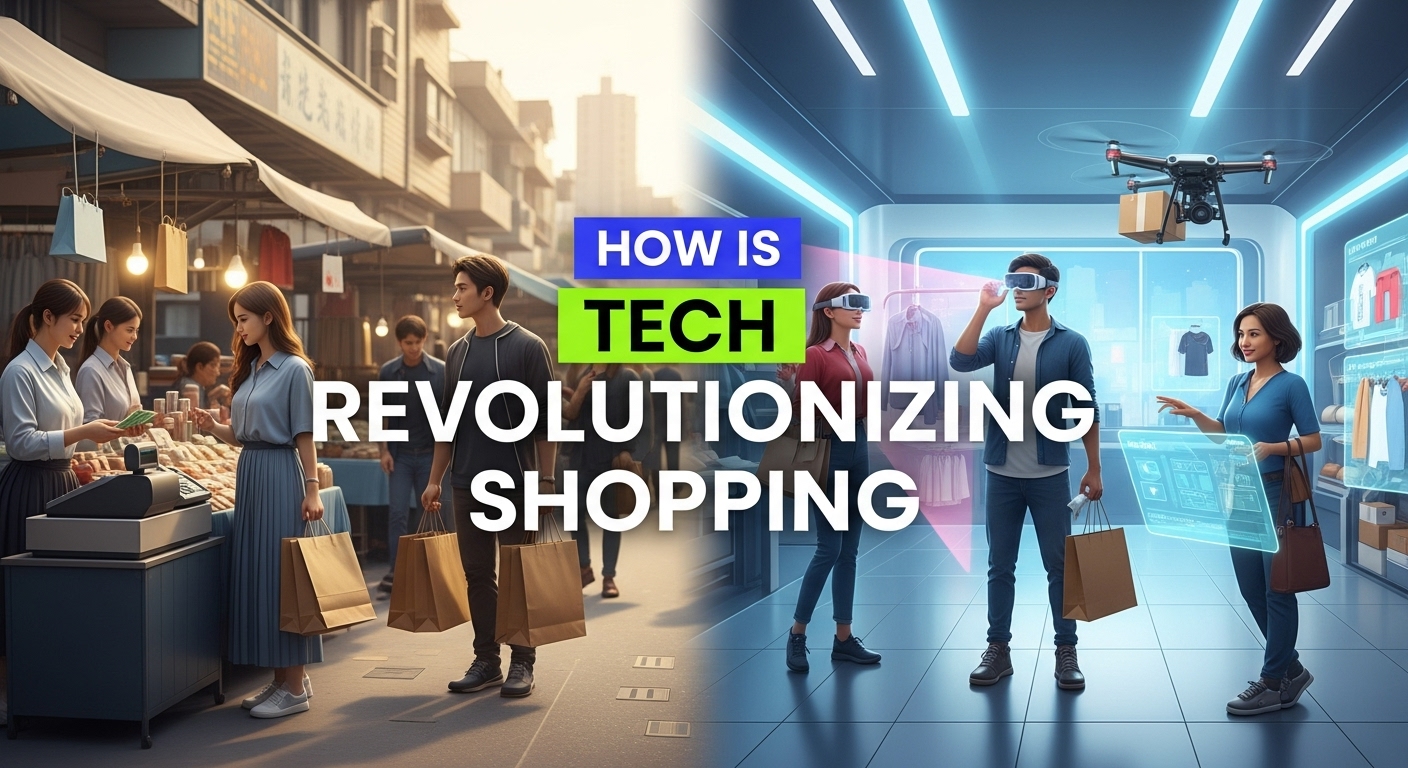
Shopping has always been an essential part of human culture. From traditional markets where people bartered for goods to the rise of department stores in bustling cities, the act of buying and selling has evolved with society. Yet no change has been as profound as the transformation driven by modern technology. Today, technology is reshaping how we discover products, compare options, make purchases, and even receive our orders. It is not just about convenience; it is about personalization, efficiency, and an entirely new consumer experience.
The revolution in shopping is visible everywhere. People order groceries from their phones, try on clothes virtually without stepping into a store, and receive curated product recommendations powered by artificial intelligence. Retailers are blending physical and digital experiences, while logistics networks use automation to speed up deliveries. As technology continues to advance, the shopping landscape will look even more different in the coming years.
The Rise of E-Commerce
One of the most obvious ways technology has transformed shopping is through the rise of e-commerce. Online shopping has moved from being a niche activity to becoming the primary mode of retail for millions of people worldwide. Consumers can browse thousands of products from the comfort of their homes, read reviews, and place orders that arrive at their doorstep within days or even hours.
The convenience factor cannot be overstated. Shoppers no longer need to commute to stores or stand in long queues. Additionally, e-commerce platforms are accessible 24 hours a day, enabling purchases at any time. This shift has led many traditional retailers to adopt an online presence, ensuring they remain competitive in a digital-first world.
E-commerce has also allowed small businesses to reach global audiences. A seller with unique handmade products can now reach customers thousands of miles away with just a digital storefront. Technology has removed geographical limitations, empowering both consumers and sellers.
Mobile Shopping and Apps
The spread of smartphones has pushed shopping into the palm of our hands. Mobile apps now provide seamless browsing and purchasing experiences, often personalized based on browsing history and preferences. With features such as one-click purchasing and secure payment systems, mobile shopping has become incredibly convenient.
In addition, mobile wallets and contactless payment systems have eliminated the need for cash or even physical cards. Customers can complete transactions with a tap or scan, making shopping faster and safer. For many people, mobile shopping has become their preferred method, especially for daily essentials, fashion, and food delivery.
Push notifications and app-based promotions also enhance the shopping experience, alerting users to discounts, restocks, or personalized offers. By merging convenience with engagement, mobile shopping has become an integral part of retail technology.
Artificial Intelligence and Personalization
Artificial intelligence has had a massive impact on how people shop. AI-driven algorithms analyze customer behavior, purchase history, and even social media activity to provide personalized product recommendations. This creates a shopping experience tailored to individual tastes and needs.
For example, a shopper browsing for running shoes may later see suggestions for athletic wear, water bottles, or fitness trackers. This personalization not only improves customer satisfaction but also boosts sales for retailers. AI chatbots have also revolutionized customer service by providing quick answers to questions, assisting with returns, and guiding customers through their shopping journey.
Moreover, AI is being used in pricing strategies, helping businesses adjust prices dynamically based on demand, competition, and customer behavior. Shoppers now encounter prices that are more in line with real-time market conditions, which creates a highly responsive retail environment.
Augmented Reality and Virtual Try-Ons
One of the most exciting technological advances in shopping is augmented reality. AR allows customers to visualize products in their own environment before buying. Furniture retailers, for example, enable shoppers to see how a couch or table would look in their living room using a smartphone camera.
Virtual try-on technology has also revolutionized fashion and beauty shopping. Shoppers can see how clothes, glasses, or even makeup will look on them without physically trying them on. This not only reduces returns but also enhances customer confidence in their purchases.
These immersive technologies are bridging the gap between online and offline shopping, offering the best of both worlds. Shoppers enjoy the convenience of digital platforms while still gaining a sense of how products will fit into their lives.
The Role of Social Media in Shopping
Social media has evolved into a powerful shopping tool. Platforms originally designed for connecting with friends now play a central role in product discovery and purchasing decisions. Influencer marketing, targeted ads, and integrated shopping features allow consumers to buy products directly from social feeds.
Visual platforms in particular are driving impulse purchases by showcasing curated, aspirational content. Shoppable posts and live-stream shopping events blend entertainment with retail, creating engaging experiences where consumers can interact with sellers in real time.
For many shoppers, social media is no longer just a place to scroll but a marketplace where they discover and purchase items seamlessly. This has blurred the line between entertainment and commerce, creating a new era of social shopping.
Smart Stores and In-Store Technology
While online shopping is growing, physical stores have also embraced technology to stay relevant. Smart stores now incorporate features such as self-checkout kiosks, mobile payments, and digital price tags. These innovations streamline the shopping process and reduce waiting times.
Some retailers have introduced cashier-less stores, where customers can pick up items and walk out, with sensors and apps automatically charging them. Digital mirrors in clothing stores provide virtual try-ons, allowing shoppers to see how different outfits would look without needing to change clothes repeatedly.
Technology has also improved inventory management in stores, ensuring that shelves are stocked and customers find what they are looking for. The combination of physical presence and digital efficiency is creating a more seamless shopping experience.
The Impact of Big Data
Behind every personalized recommendation and dynamic pricing adjustment lies big data. Retailers are collecting enormous amounts of data about customer preferences, browsing habits, and purchase history. This data is then analyzed to optimize everything from marketing campaigns to supply chain logistics.
For consumers, big data means more accurate product recommendations and better stock availability. For retailers, it enables efficient operations, reduced costs, and increased sales. However, it also raises questions about privacy and data security, making transparency and ethical practices critical in the future of digital shopping.
Subscription Services and Automation
Subscription-based shopping has become increasingly popular, powered by technology. From meal kits to beauty boxes to streaming services, consumers enjoy the convenience of automatic deliveries and curated products. This model simplifies shopping by reducing the need to repeatedly make the same purchases.
Technology also enables automation in replenishing essentials. Smart devices can track usage and automatically reorder products when supplies run low. For example, a connected printer may reorder ink cartridges, or a smart refrigerator might suggest groceries to buy. These innovations make shopping less about effort and more about efficiency.
Logistics, Delivery, and Drones
The revolution in shopping is not just about discovering and purchasing products but also about how they are delivered. Logistics technology has transformed supply chains to make deliveries faster and more reliable. Same-day delivery, once a luxury, has become increasingly common thanks to advanced warehousing and route optimization systems.
Drones and autonomous vehicles are being tested for last-mile delivery, promising even faster service in the future. Package tracking systems keep customers informed in real time, adding transparency to the process. For retailers, these technologies reduce costs and improve customer satisfaction.
Sustainability and Tech-Driven Shopping
As technology transforms shopping, sustainability has also become a focus. Consumers are more environmentally conscious, and technology enables better tracking of supply chains to ensure sustainable practices. Apps that help people buy second-hand items, platforms that promote recycling, and carbon-tracking features in delivery systems are making eco-friendly shopping more accessible.
Virtual showrooms and AR try-ons also reduce the number of unnecessary returns, lowering waste and emissions. Technology is helping align consumer behavior with broader goals of sustainability and responsible consumption.
The Future of Shopping Technology
Looking ahead, the shopping experience will continue to evolve at an even faster pace. Artificial intelligence will become more sophisticated, predicting needs before customers even realize them. Virtual reality shopping experiences will allow people to walk through digital stores from their homes. Voice assistants will play a greater role in making purchases, and smart homes will integrate shopping seamlessly into daily life.
Blockchain may also play a role in ensuring product authenticity and secure transactions. Meanwhile, advances in robotics could further automate warehousing and delivery. The boundaries between online and offline shopping will blur even more, creating a unified, omnichannel experience where customers interact with brands across multiple touchpoints.
Conclusion
Technology is revolutionizing shopping in every possible way. From the convenience of e-commerce and mobile apps to the personalization offered by AI and the immersive experiences made possible by augmented reality, shopping has never been more engaging or efficient. Physical stores are becoming smarter, logistics are faster, and sustainability is becoming integrated into retail systems.
For consumers, this revolution means greater choice, personalization, and convenience. For businesses, it provides tools to optimize operations, connect with customers, and innovate constantly. As technology continues to advance, the shopping experience will become even more seamless and immersive, redefining how we think about retail in the twenty-first century.
The future of shopping lies in the perfect balance of technology and human experience. While machines and algorithms will make processes faster and smarter, the ultimate goal remains the same: to make shopping enjoyable, efficient, and meaningful for people everywhere.