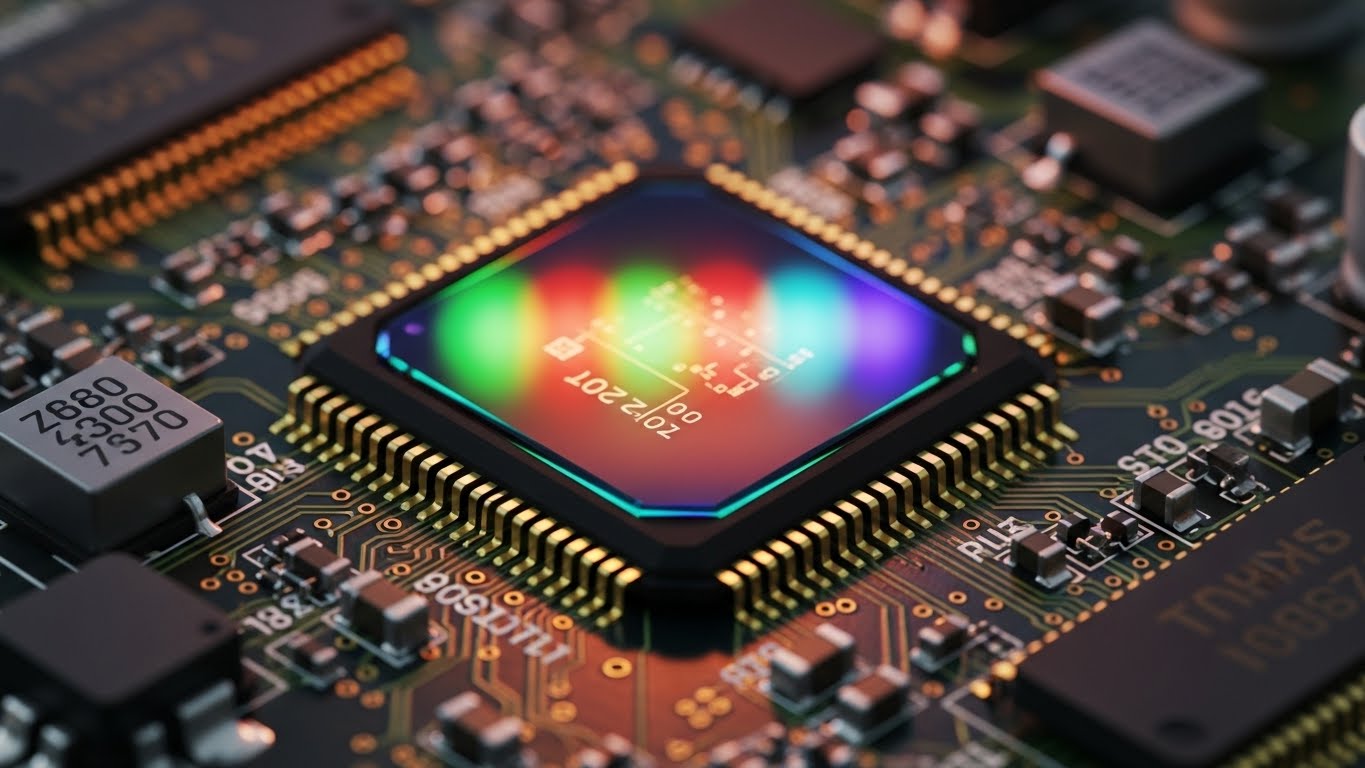
Introduction: Technology as a Transformative Force
Technology has become the defining factor of the 21st century. It shapes how we live, work, communicate, and even think. From smartphones and artificial intelligence to smart homes and autonomous vehicles, technology surrounds us in every facet of daily life. Beyond convenience, it challenges society to rethink possibilities, solve complex problems, and redefine human potential. The technological landscape is not static; it evolves continuously, driving innovation and reshaping economies, cultures, and social structures globally.
The Evolution of Technology
The evolution of technology mirrors humanity’s journey toward progress. Early innovations, such as the wheel, the printing press, and basic tools, laid the foundation for civilization. The Industrial Revolution mechanized production, creating new industries and reshaping societies. The 20th century saw the advent of computers, the internet, and mobile devices, revolutionizing communication and productivity. Today, we stand in the digital era, where artificial intelligence, robotics, biotechnology, and virtual reality are reshaping the very way we interact with the world.
The Digital Revolution and Global Connectivity
The digital revolution has transformed connectivity worldwide. The internet, mobile devices, and digital communication platforms allow instant interaction regardless of geography. Social media, email, and video conferencing facilitate both personal and professional communication, breaking barriers of distance and time. This interconnectedness has redefined business operations, education, and social networking, allowing ideas, knowledge, and innovations to flow across borders. Connectivity empowers communities, fosters global collaboration, and fuels a knowledge-based economy.
Artificial Intelligence and Machine Learning
Artificial intelligence (AI) and machine learning are among the most transformative technological advancements. AI systems can analyze vast amounts of data, recognize patterns, and make decisions with minimal human intervention. Machine learning enables these systems to improve over time through experience and data analysis. Applications range from virtual assistants and personalized recommendations to self-driving cars and predictive healthcare. AI has the potential to optimize industries, improve quality of life, and redefine human interaction with machines, while simultaneously raising questions about ethics and privacy.
Automation and the Future of Work
Automation is redefining industries and the workforce. Machines and software can perform repetitive tasks more efficiently than humans, from manufacturing to data analysis. While automation may reduce jobs in certain sectors, it also opens opportunities in technology management, programming, and creative problem-solving. The future of work will focus on collaboration between humans and machines, emphasizing tasks that require critical thinking, innovation, and interpersonal skills. Embracing this shift requires reskilling, continuous learning, and adaptation to the evolving digital workplace.
Smart Technology and Everyday Life
Smart technology has seamlessly integrated into everyday life. Devices such as smartphones, smart appliances, wearables, and home automation systems collect data and provide personalized services. Wearable devices track fitness, monitor health metrics, and provide alerts in real time. Smart home systems optimize energy use, enhance security, and improve convenience. Cities are increasingly adopting smart infrastructure for traffic management, energy efficiency, and public safety. By enhancing comfort, efficiency, and safety, smart technology redefines the way we live, work, and interact with our surroundings.
Technology in Education
Education has been revolutionized by technology. Digital learning platforms, virtual classrooms, and interactive software allow students to access knowledge from anywhere in the world. AI-based adaptive learning systems personalize instruction, identifying strengths and weaknesses for each student. Collaborative tools facilitate global interaction, enabling students to work with peers across countries. Technology has democratized education, ensuring learning opportunities are accessible to diverse populations, fostering skills essential for success in the modern digital economy.
Healthcare and Technological Innovation
Healthcare has been dramatically transformed by technology. Telemedicine provides remote consultations, wearable devices track health metrics, and electronic health records streamline patient care. AI assists doctors in diagnosing diseases, analyzing medical images, and predicting outcomes. Robotics allows for precise surgeries, and biotechnology enables personalized treatments. Technology enhances accessibility, improves efficiency, and supports innovation, leading to better healthcare outcomes and a more patient-centric system.
Technology and Environmental Sustainability
Technology plays a critical role in promoting environmental sustainability. Renewable energy solutions like solar, wind, and hydroelectric power reduce reliance on fossil fuels. Smart agriculture uses sensors and data analytics to optimize water use, reduce waste, and increase crop yield. Electric vehicles and energy-efficient transportation systems reduce greenhouse gas emissions. Environmental monitoring tools track climate patterns, pollution, and biodiversity, helping policymakers make informed decisions. Technological innovation is key to balancing economic development with ecological responsibility.
Communication and Information Exchange
Modern communication is driven by technology. Instant messaging, social media, video calls, and collaborative platforms allow real-time exchange of information globally. Businesses leverage these tools for productivity, marketing, and customer service. Individuals use technology to maintain social connections, share ideas, and access news instantly. However, the vast flow of information also presents challenges, including misinformation, privacy concerns, and digital fatigue. Developing digital literacy and responsible communication practices is essential in a connected world.
Cybersecurity and Data Protection
As technology advances, cybersecurity and data protection have become critical priorities. Cyber threats, including hacking, identity theft, and ransomware, endanger personal and organizational information. Protecting data requires encryption, secure authentication, and continuous monitoring. Individuals must adopt safe online practices, while businesses and governments invest in robust cybersecurity infrastructure. Data privacy is a shared responsibility, ensuring trust and safety in an increasingly digital society.
Technology and Entertainment
Entertainment has been transformed by technology. Streaming services, virtual reality experiences, and video games provide immersive and interactive experiences. AI-driven recommendation systems personalize content, while digital production tools enhance creative capabilities. Gaming has evolved into a global industry, combining technology, creativity, and community engagement. Technological innovation allows audiences to engage with media in unprecedented ways, blurring the lines between creators and consumers and creating dynamic entertainment ecosystems.
Ethical Implications of Technology
The rapid advancement of technology presents ethical challenges. AI and automation raise questions about bias, accountability, and the role of human judgment. Privacy concerns, digital addiction, and environmental impacts require careful attention. Responsible development, regulation, and use of technology are essential to ensure it benefits society while minimizing harm. Ethical considerations must guide innovation, balancing progress with human values, equity, and fairness.
The Future of Technology
The future of technology promises even greater transformation. Emerging fields such as quantum computing, biotechnology, and augmented reality have the potential to redefine industries, healthcare, and communication. The convergence of AI, blockchain, and advanced networking will create new opportunities for innovation and problem-solving. Preparing for the future requires embracing adaptability, ethical awareness, and lifelong learning. The choices made today will shape how technology influences generations to come.
The Human Side of Technology
Despite its transformative potential, technology remains a tool to serve humanity. Creativity, empathy, critical thinking, and ethical reasoning are uniquely human qualities that technology cannot replicate. Balancing human judgment with technological capability ensures progress benefits society holistically. Technology amplifies human potential but must be guided by values, purpose, and social responsibility to create a better and more equitable world.
Conclusion: Embracing Technology Responsibly
Technology is more than a set of tools—it is a powerful force shaping human civilization. It drives innovation, enhances connectivity, improves healthcare, and transforms education and entertainment. However, its rapid advancement demands responsibility, ethical considerations, and human-centered design. By embracing technology thoughtfully, society can harness its potential to solve challenges, improve quality of life, and create opportunities for future generations. The frontier of technology is vast, and how we navigate it will define the human experience for decades to come.