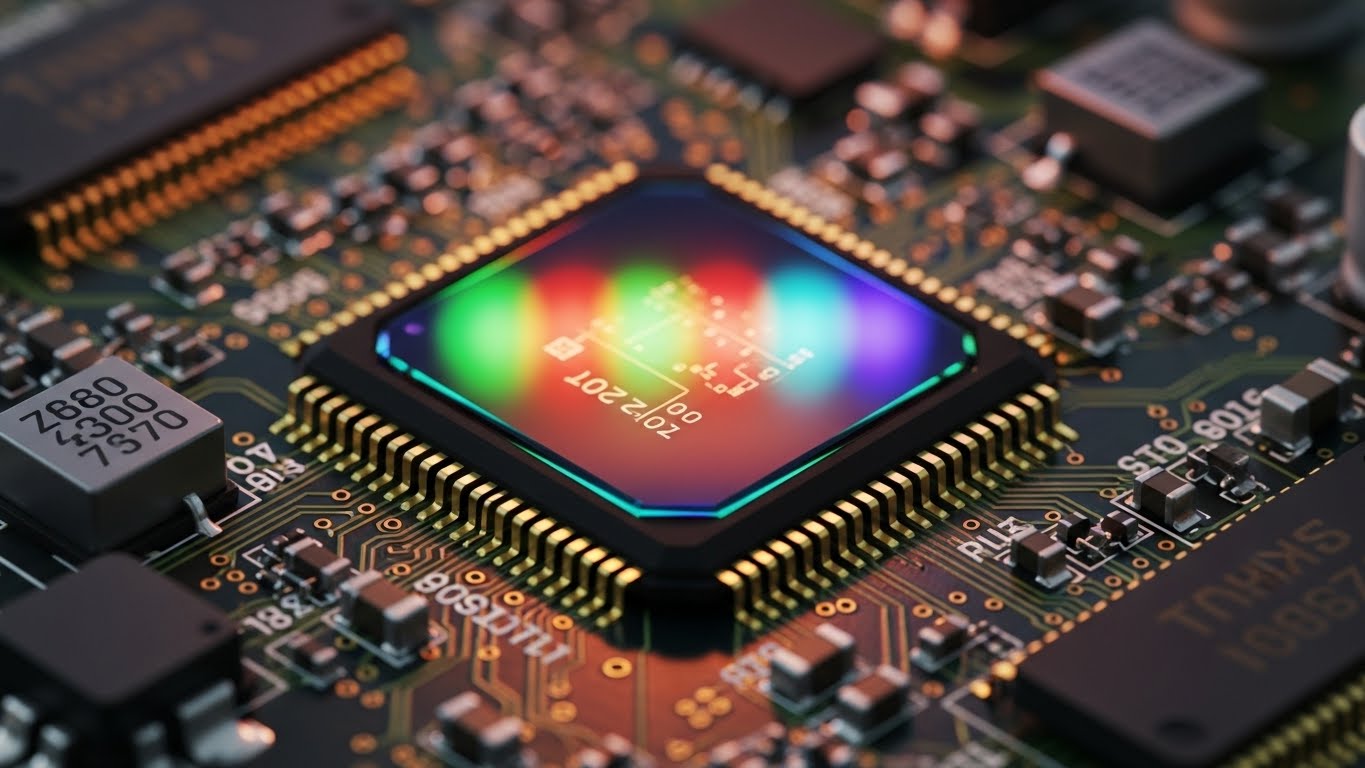
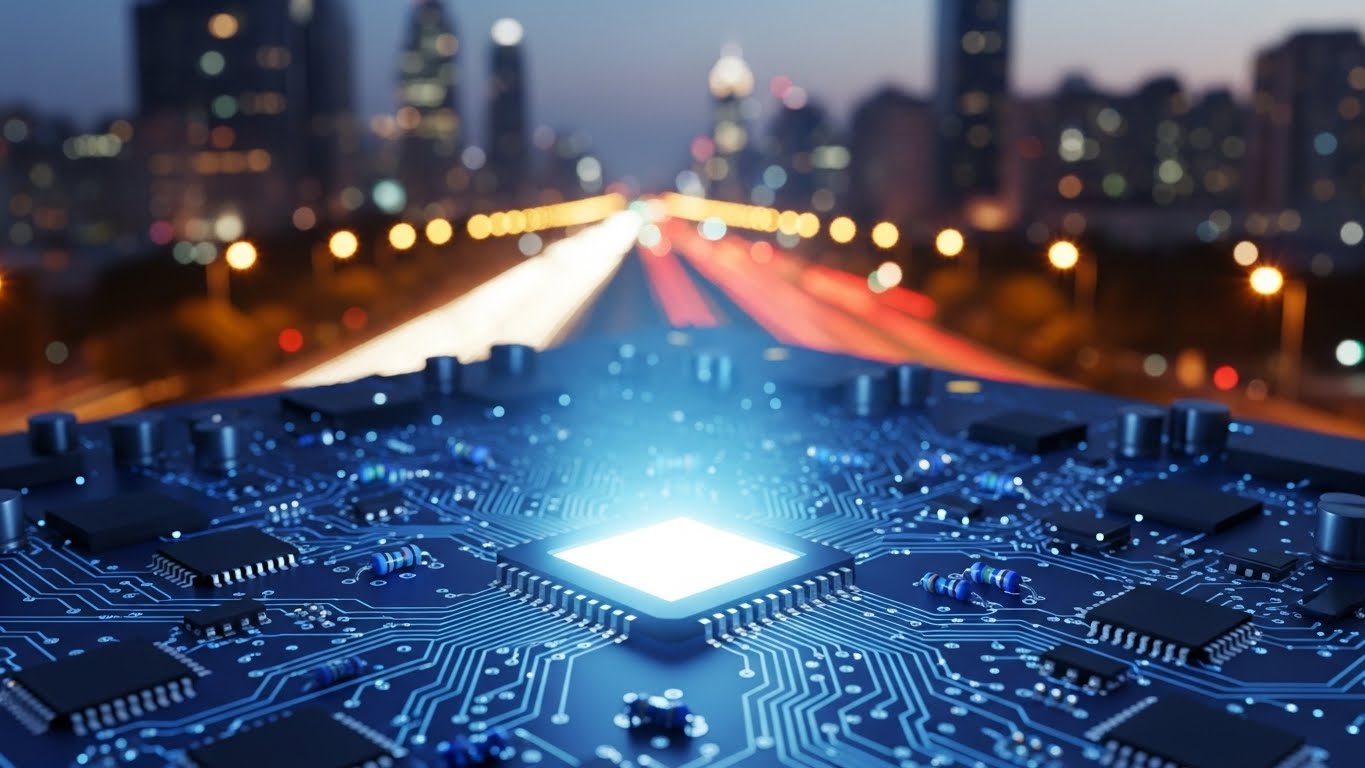
Technology is no longer just a part of life; it has become the backbone of modern existence. From the smartphones we carry to the invisible networks powering entire cities, technology shapes the way we communicate, work, learn, and even think. What was once considered futuristic is now everyday reality, and the pace of change shows no signs of slowing. This blog explores the multifaceted role of technology in contemporary society, its impact on daily life, and what the future may hold.
The Evolution of Technology: From Tools to Transformations
Technology has always been a catalyst for change. In ancient times, simple tools enabled humans to hunt, farm, and build civilizations. With the industrial revolution came machines that transformed labor, manufacturing, and transportation. Today, digital technology dominates our lives, shifting how we interact with the world and each other.
The speed of technological evolution is remarkable. Within a few decades, we have moved from mainframe computers to powerful personal devices, from wired telecommunication to instant global connectivity, and from isolated data storage to cloud-based ecosystems that allow real-time collaboration across continents. Each leap forward has fundamentally changed the human experience, and this transformation continues at an accelerating pace.
Technology in Daily Life: Beyond Convenience
Modern technology does more than make life convenient; it reshapes the way we live and think. Smartphones, wearable devices, and smart home systems have created an environment where information, entertainment, and communication are accessible at the touch of a finger.
Communication and Connectivity
Perhaps the most visible impact of technology is on communication. Social media, messaging apps, and video conferencing have erased geographical barriers, enabling people to stay connected regardless of distance. For businesses, this means instant collaboration across borders. For individuals, it fosters global friendships and cultural exchange.
Healthcare and Well-Being
Technology has revolutionized healthcare. Advanced diagnostic tools, telemedicine, wearable health monitors, and AI-driven medical analysis allow for quicker, more accurate diagnoses and personalized treatment plans. Patients can now access healthcare remotely, while medical professionals use data analytics to predict trends and manage public health more effectively.
Education and Learning
Technology has transformed education by making learning more interactive, personalized, and accessible. Online courses, digital textbooks, and educational apps allow students to learn at their own pace. Virtual classrooms and AI tutors provide support for diverse learning needs, enabling knowledge acquisition beyond traditional boundaries.
Artificial Intelligence: The Brain of Modern Technology
Artificial Intelligence (AI) is no longer confined to research labs. It has become an integral part of daily life, powering applications from voice assistants to predictive analytics. AI’s ability to process vast amounts of data quickly allows machines to perform tasks that once required human intelligence.
AI in Business and Industry
Businesses leverage AI to enhance efficiency, optimize supply chains, and personalize customer experiences. Machine learning algorithms analyze trends and behaviors, helping companies make smarter decisions. Industries such as finance, healthcare, and logistics are particularly reliant on AI for predictive modeling and automation.
AI in Personal Life
AI also affects everyday life. Smart assistants organize schedules, recommend content, and even control smart home devices. Streaming services use AI to suggest music, movies, and shows based on user preferences, demonstrating how technology adapts to individual habits and enhances convenience.
The Rise of the Internet of Things
The Internet of Things (IoT) connects devices, objects, and systems, creating a network where information flows seamlessly. Smart homes, wearable devices, and connected vehicles are all part of this ecosystem, providing unprecedented levels of control and efficiency.
Smart Homes and Cities
IoT enables homes to be more energy-efficient and secure through automated lighting, climate control, and security systems. On a larger scale, smart cities use connected infrastructure to improve traffic management, reduce energy consumption, and enhance public services, making urban life more sustainable and efficient.
Wearables and Personal Monitoring
Wearable technology allows continuous monitoring of health metrics, fitness goals, and even stress levels. These devices provide data-driven insights that empower individuals to make informed decisions about their lifestyle and well-being, demonstrating the practical, everyday benefits of interconnected technology.
Virtual Reality and Augmented Reality: Expanding Experiences
Virtual Reality (VR) and Augmented Reality (AR) have transformed entertainment, training, and communication. These immersive technologies blur the line between the digital and physical worlds, offering new ways to learn, explore, and interact.
Entertainment and Gaming
VR and AR create immersive gaming experiences, allowing players to interact with environments in unprecedented ways. Beyond gaming, these technologies are revolutionizing movies, concerts, and live events, enabling participation in experiences that were once limited to physical presence.
Education and Training
AR and VR are also valuable educational tools. They allow students and professionals to simulate real-world scenarios, from medical surgeries to engineering projects, without risk. This hands-on virtual experience enhances understanding and retention, making learning both engaging and effective.
Cybersecurity: Protecting the Digital World
As technology becomes central to life, cybersecurity has emerged as a critical concern. Digital information, from financial data to personal communications, is vulnerable to breaches and cyberattacks. Protecting data requires constant vigilance and sophisticated security measures.
Data Privacy and Protection
The collection of personal data by companies and devices raises ethical and practical questions. Strong encryption, secure networks, and regulatory frameworks are essential to protect privacy and maintain trust between technology providers and users.
Global Cybersecurity Challenges
Cybersecurity is not just a personal concern but a global one. Governments, businesses, and individuals must collaborate to address cybercrime, malware, and digital espionage. The stakes are high, as breaches can have economic, political, and societal impacts.
Sustainable Technology: Innovating for a Better Planet
Technology has the potential to address environmental challenges, from climate change to resource management. Innovations in renewable energy, electric transportation, and smart infrastructure are paving the way for a more sustainable future.
Renewable Energy and Green Tech
Solar panels, wind turbines, and energy storage systems harness technology to reduce dependence on fossil fuels. These innovations not only provide cleaner energy but also create opportunities for economic growth and job creation in emerging sectors.
Reducing Waste Through Technology
Smart technologies help manage waste, conserve water, and optimize energy usage. From AI-powered recycling systems to precision agriculture, technology is helping humans live more sustainably while maintaining productivity and comfort.
The Future of Technology: Opportunities and Challenges
The future promises even more profound transformations. Emerging technologies such as quantum computing, advanced robotics, and bioengineering have the potential to solve problems previously thought impossible. Yet, with great power comes great responsibility.
Ethical and Social Considerations
As technology becomes more integrated into daily life, ethical considerations become critical. Issues like AI bias, surveillance, job displacement, and digital inequality require careful consideration to ensure that technological progress benefits all of society.
Continuous Learning and Adaptation
The rapid pace of technological change requires continuous learning and adaptation. Individuals, businesses, and governments must embrace lifelong learning and flexible strategies to remain relevant and capable in a world driven by innovation.
Conclusion: Embracing the Tech-Driven Era
Technology is more than machines and software; it is a dynamic force that shapes culture, society, and individual lives. From AI and IoT to VR and sustainable innovations, technology has revolutionized the way we live, work, and interact. While challenges such as cybersecurity, ethical dilemmas, and environmental impacts must be addressed, the potential benefits are immense.
The key to thriving in this era lies in understanding, adapting, and leveraging technology responsibly. By embracing innovation while considering its broader implications, humanity can harness technology not just as a tool but as a partner in progress. The future is already here, and it is deeply intertwined with the technological frontier.