Introduction
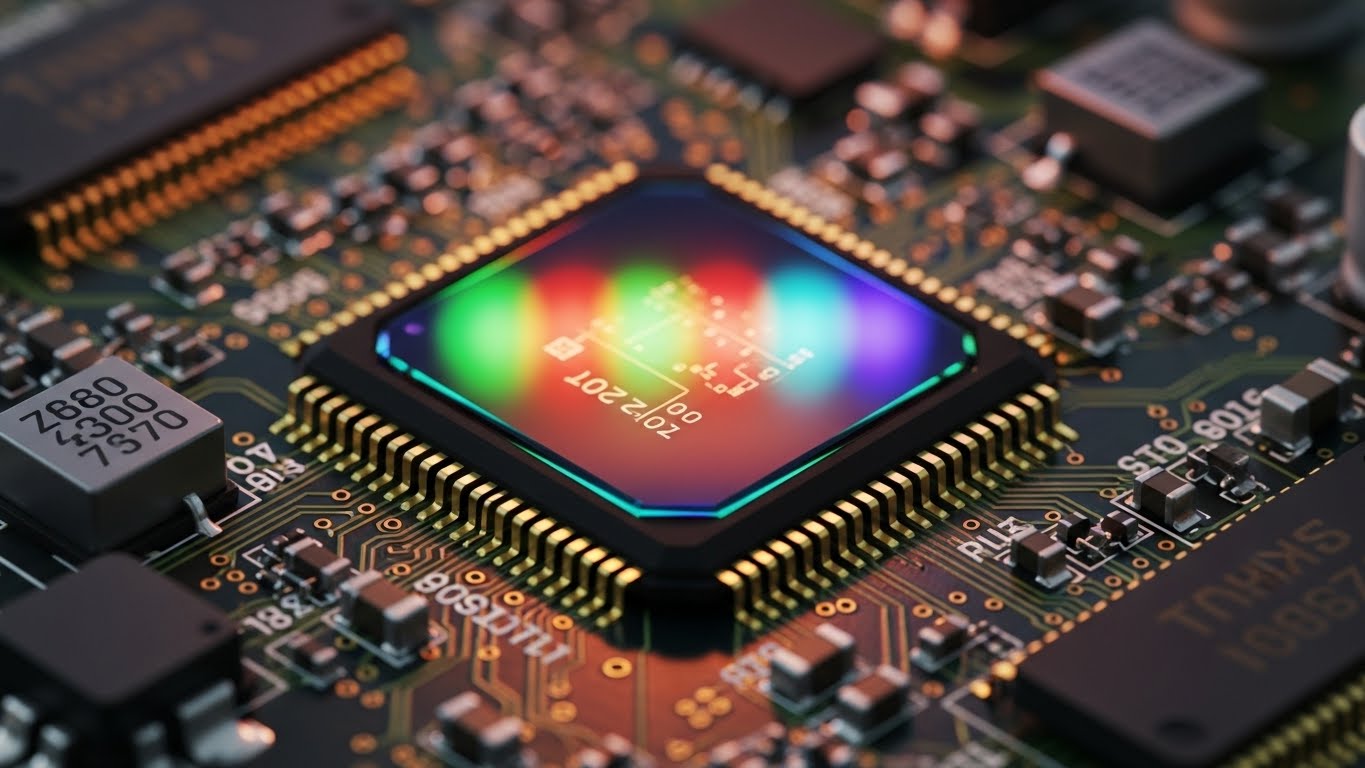
Technology has become the heartbeat of modern civilization. It shapes how we communicate, work, learn, and even think. From the invention of the wheel to the rise of artificial intelligence, humanity’s progress has always been tied to technological advancement. Today, technology is no longer just a tool; it is a powerful force driving transformation across every aspect of life. Whether it is the smartphone in our pocket, the software powering global industries, or the data guiding our decisions, technology has woven itself into the very fabric of society. This blog explores how technology is changing our world, its benefits and challenges, and what the future might hold in this ever-evolving digital era.
The Evolution of Technology
The journey of technology began with the earliest human inventions. The discovery of fire, the creation of tools, and the development of language were the first milestones of innovation. As civilizations grew, so did their technological achievements. Ancient societies built irrigation systems, ships, and architectural marvels that laid the foundation for modern engineering.
The Industrial Revolution marked a turning point in human history. Machines replaced manual labor, and industries transformed economies. The 20th century saw the rise of electricity, automobiles, airplanes, and telecommunications. However, the most dramatic transformation began with the advent of computers and the internet. These inventions triggered a digital revolution that continues to reshape every facet of life.
In the 21st century, the pace of innovation has accelerated exponentially. Artificial intelligence, robotics, biotechnology, and nanotechnology are redefining what is possible. Technology is no longer confined to physical machines—it exists in data, algorithms, and networks that connect the entire planet.
The Role of Technology in Communication
Communication is one of the most profound areas impacted by technology. The world has moved from handwritten letters to instant global messaging. The invention of the telephone made real-time conversation possible across continents, while the internet turned the world into a connected village.
Social media platforms have revolutionized how we share information and express ourselves. They have become tools for networking, activism, and entertainment. Video calls, online conferences, and instant messaging apps have bridged distances, allowing families, businesses, and friends to stay connected no matter where they are.
However, this digital communication revolution has also introduced challenges. The rise of misinformation, cyberbullying, and digital addiction are concerns that cannot be ignored. As society becomes more connected, the responsibility of using technology wisely becomes more crucial.
Technology in Education
Technology has completely reshaped education, transforming how knowledge is delivered and consumed. Traditional classrooms are evolving into smart learning environments equipped with interactive boards, digital content, and online collaboration tools. The internet has made learning accessible to anyone, anywhere, at any time.
Online learning platforms and virtual classrooms allow students to pursue education without geographical limitations. E-books, video lectures, and educational apps have made learning more engaging and personalized. Artificial intelligence is also playing a significant role in education by analyzing student performance and recommending tailored learning paths.
Moreover, technology fosters creativity and critical thinking. Students can conduct virtual experiments, simulate real-world scenarios, and connect with global experts in seconds. However, while technology democratizes education, it also widens the gap between those who have access to digital tools and those who do not. Bridging this digital divide is essential to ensure equal learning opportunities for all.
The Impact of Technology on Business
The business landscape has been revolutionized by technology. Companies now operate in a global marketplace where digital transformation determines success. Automation, artificial intelligence, and big data have streamlined operations, reduced costs, and enhanced decision-making.
E-commerce has changed the way consumers shop. Online marketplaces allow businesses to reach customers globally with ease. Digital marketing tools enable companies to analyze consumer behavior, personalize experiences, and improve customer satisfaction. Cloud computing has made data storage and collaboration efficient, allowing businesses to operate remotely and scale quickly.
The rise of financial technologies, or fintech, has transformed banking and finance. Digital payments, cryptocurrency, and blockchain are redefining how money moves around the world. Businesses can now operate 24/7, offering services instantly through apps and websites.
However, technological progress also brings challenges. Automation threatens certain jobs, and cybersecurity risks continue to grow. Businesses must balance innovation with ethical responsibility, ensuring technology serves humanity rather than replacing it.
The Role of Technology in Healthcare
The healthcare industry has undergone a digital transformation that is saving lives and improving patient care. Medical technology, or health tech, combines science and innovation to create tools that diagnose, treat, and prevent diseases more effectively.
Telemedicine allows patients to consult doctors remotely, making healthcare accessible even in remote areas. Wearable devices monitor vital signs such as heart rate and blood pressure, enabling early detection of health issues. Artificial intelligence is used in diagnostics, helping doctors interpret scans, detect cancers, and predict health risks with remarkable accuracy.
Moreover, advancements in biotechnology and genetics are paving the way for personalized medicine, where treatments are tailored to an individual’s genetic makeup. Robotic surgery, 3D-printed organs, and digital health records are just a few examples of how technology is revolutionizing medicine.
Despite these advancements, challenges remain. Data privacy, accessibility, and ethical concerns must be addressed to ensure that health technology benefits everyone fairly and safely.
The Environmental Impact of Technology
Technology has a dual relationship with the environment—it can either harm or help. Industrialization and the rise of electronic waste have contributed to pollution and resource depletion. However, modern technological innovations are being developed to combat these very problems.
Green technology focuses on sustainability and environmental conservation. Renewable energy sources such as solar, wind, and hydropower are reducing dependence on fossil fuels. Electric vehicles are minimizing carbon emissions, and smart grids are optimizing energy consumption.
Furthermore, digital tools help monitor environmental changes. Satellite imaging and data analytics allow scientists to track deforestation, predict natural disasters, and study climate patterns. Through technological innovation, humanity is finding new ways to protect the planet and build a sustainable future.
Artificial Intelligence: The Brain of the Future
Artificial intelligence (AI) stands at the forefront of modern innovation. It enables machines to learn, reason, and make decisions that mimic human intelligence. AI is now present in every industry—from healthcare and finance to entertainment and transportation.
Voice assistants, smart homes, and self-driving cars are all powered by AI. In business, AI algorithms analyze data to predict trends and automate complex processes. In education, AI tutors help students learn more effectively. In healthcare, AI-driven systems assist doctors in diagnosing and treating patients.
However, as AI grows more advanced, it raises questions about ethics and employment. Machines are now capable of performing tasks once reserved for humans. This creates a need for society to redefine work and develop new skills suited for the digital era. Responsible AI development, guided by transparency and fairness, will determine how beneficial it becomes to humanity.
Cybersecurity in the Digital Age
As our reliance on technology increases, so does the threat of cyberattacks. Cybersecurity has become one of the most critical concerns of the digital era. From identity theft to data breaches, individuals and organizations face growing risks in the online world.
Governments, businesses, and individuals must prioritize digital safety. Encryption, firewalls, and biometric security are some of the tools used to protect data. Awareness and education are equally important; users must learn to recognize phishing attempts and secure their information responsibly.
Cybersecurity is not just a technical issue—it is a matter of trust. In a world where personal and financial data are stored online, maintaining security ensures that technology remains a force for good.
Technology and Human Relationships
Technology has changed how people connect and interact. On one hand, it allows instant communication and global relationships. On the other hand, excessive reliance on digital interaction can weaken personal bonds. Social media, while offering a platform for self-expression, can also lead to loneliness, comparison, and misinformation.
Balancing technology use is essential for maintaining emotional well-being. Human connection should never be replaced by digital convenience. Technology should enhance relationships, not diminish them. Mindful use of devices and prioritizing real-life connections help preserve the human essence in the digital world.
The Future of Technology
The future of technology is limitless. Innovations like quantum computing, space exploration, and virtual reality will redefine human experience. Quantum computers promise to solve complex problems beyond the reach of traditional machines, while virtual and augmented reality will revolutionize entertainment, education, and training.
The fusion of technology and biology—known as bioengineering—may even allow humans to enhance their physical and cognitive abilities. As we move toward an era of smart cities, autonomous vehicles, and interconnected systems, the world will become more efficient, intelligent, and sustainable.
However, this future must be guided by ethics, responsibility, and inclusivity. The goal of technology should always be to improve lives, not to create inequality. A human-centered approach will ensure that innovation benefits everyone, creating a better world for generations to come.
Conclusion
Technology is the defining force of our age. It connects people, fuels economies, and drives innovation. From healthcare and education to business and communication, its influence is everywhere. Yet, with great power comes great responsibility. The challenge for humanity is to harness technology for good—using it to solve problems, bridge divides, and build a sustainable future.
As we stand on the edge of further breakthroughs, one thing is clear: technology is not just about machines or devices; it is about people. It is about our creativity, curiosity, and desire to improve life. The digital revolution is not an end—it is a journey toward progress. With wisdom and balance, technology will continue to shape a brighter, smarter, and more connected world.