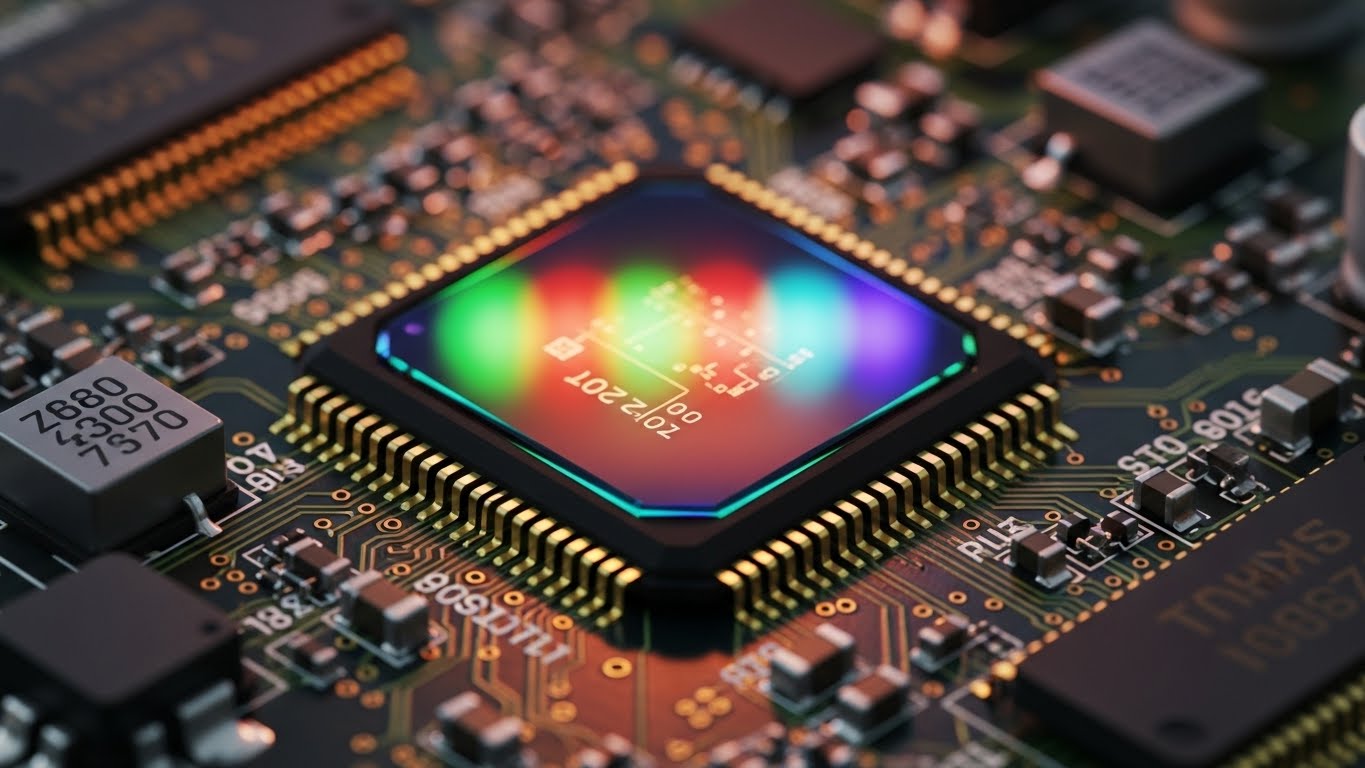
Introduction: A New Era of Innovation
We are living in the midst of a technological renaissance—an era defined by rapid innovation and constant transformation across industries. Technology is advancing at an unprecedented rate, touching nearly every aspect of human life, from how we communicate to how we work, learn, and even live. Gone are the days when technology was just a tool; today, it is a driving force of change that shapes economies, societies, and cultures. The wave of digital transformation is sweeping across the globe, pushing boundaries, disrupting established norms, and creating new possibilities that were once thought to be out of reach. As we navigate this new age, it’s important to understand the forces behind these shifts and how emerging technologies are influencing our lives. In this blog post, we will explore the most impactful technological innovations of today, examining their current applications, potential future developments, and the challenges they bring along with their promises.
The Age of Artificial Intelligence: Machines That Think, Learn, and Evolve
At the heart of today’s technological revolution is artificial intelligence (AI)—a field that has evolved from theoretical concepts into practical applications that influence every industry. AI refers to the ability of machines to simulate human intelligence and learn from experience to improve their performance over time. Today, AI is already making waves in sectors such as healthcare, finance, marketing, and entertainment. Its impact is broad, with AI systems being used for everything from predicting medical outcomes to creating personalized advertising campaigns.
Machine learning (ML), a subset of AI, has been particularly transformative. ML algorithms allow systems to analyze large datasets and identify patterns that would be impossible for humans to discern. This has opened new possibilities for predictive analytics, where businesses can forecast trends and make data-driven decisions with unprecedented accuracy. In healthcare, AI is used for medical imaging analysis, helping radiologists detect conditions such as tumors at earlier, more treatable stages. In finance, AI algorithms are now widely used for fraud detection and risk management, monitoring transaction patterns to identify suspicious activities in real-time.
In the consumer space, AI-powered virtual assistants like Siri, Alexa, and Google Assistant have become part of everyday life. These systems rely on natural language processing (NLP) to understand and respond to voice commands, making it easier for users to interact with technology. As AI continues to improve, it will become even more integrated into our daily routines, helping automate tasks, streamline processes, and personalize experiences across all areas of life.
The Internet of Things: A Connected World Like Never Before
The Internet of Things (IoT) is another groundbreaking technological innovation that has been transforming how we interact with the world around us. IoT refers to the network of physical devices, vehicles, home appliances, and other objects that are embedded with sensors, software, and connectivity to exchange data over the internet. Essentially, IoT makes ordinary objects “smart,” allowing them to communicate with one another and collect, analyze, and act on data in real time.
In smart homes, IoT devices have revolutionized how we manage our daily lives. Smart thermostats like Nest can adjust the temperature in a home based on user preferences and occupancy patterns, while security cameras and smart doorbells like Ring allow homeowners to monitor their properties remotely. The convenience and energy efficiency offered by these devices have made IoT a major trend in modern living.
In industries such as manufacturing and agriculture, IoT is being used to optimize operations and improve efficiency. In smart factories, sensors embedded in machinery can monitor performance, predict maintenance needs, and help prevent costly breakdowns. In agriculture, IoT sensors track soil conditions, weather patterns, and crop health, providing farmers with actionable insights to maximize yields and reduce waste.
As IoT devices continue to proliferate, the number of connected devices is expected to rise exponentially, creating a more interconnected and data-driven world. However, this increased connectivity also raises important questions about data privacy and security. As more devices gather personal data, protecting that information and ensuring its ethical use will be a growing concern.
5G Technology: Redefining Connectivity
The rollout of 5G technology marks another milestone in the evolution of digital connectivity. While 4G networks brought faster mobile internet and the ability to stream high-definition content on the go, 5G promises to take connectivity to a whole new level. 5G networks will offer higher speeds, lower latency, and the ability to support a greater number of connected devices, which is essential for enabling the next generation of technologies, including autonomous vehicles, smart cities, and advanced industrial automation.
One of the key advantages of 5G is its ultra-low latency, which refers to the delay between sending and receiving data. This is particularly important for applications that require real-time communication, such as self-driving cars. Autonomous vehicles need to exchange data with other vehicles and infrastructure in real time to navigate safely and avoid collisions. 5G’s low latency will enable seamless communication between these vehicles, enhancing safety and efficiency on the roads.
In healthcare, 5G technology will facilitate remote surgeries, where doctors can perform procedures from miles away using robotic equipment. Real-time communication will also allow for more effective telemedicine services, enabling doctors to diagnose and treat patients virtually, regardless of location. The expansion of 5G networks will be a key enabler of these innovations, pushing industries to rethink what’s possible in a hyper-connected world.
Blockchain: The Future of Secure Transactions and Decentralized Systems
Blockchain technology, best known for powering cryptocurrencies like Bitcoin and Ethereum, is poised to have far-reaching implications beyond digital currency. At its core, blockchain is a decentralized ledger system that records transactions across multiple computers, making it secure, transparent, and tamper-resistant. The decentralized nature of blockchain means that there is no central authority overseeing transactions, which reduces the risk of fraud and makes the system more resilient.
Blockchain’s ability to create secure, transparent records has vast potential in industries such as finance, supply chain management, and healthcare. In finance, blockchain can streamline payment systems, reducing the need for intermediaries like banks and enabling faster, cheaper cross-border transactions. In supply chain management, blockchain can track the movement of goods from production to delivery, ensuring transparency and reducing the risk of fraud or counterfeit products.
In healthcare, blockchain has the potential to transform the way medical data is stored and shared. By creating a secure, immutable record of patient information, blockchain could improve data security, reduce administrative costs, and give patients greater control over their own health data. As blockchain technology matures, its impact will extend far beyond cryptocurrency, enabling more secure, efficient, and transparent systems in a wide range of sectors.
Quantum Computing: The Frontier of Computational Power
Quantum computing is one of the most fascinating and potentially transformative technologies on the horizon. Unlike classical computers, which process information in binary (using bits), quantum computers use quantum bits, or qubits, which can represent multiple states at once due to the principles of quantum mechanics. This allows quantum computers to solve certain types of complex problems exponentially faster than traditional computers.
Quantum computing holds the potential to revolutionize fields such as cryptography, materials science, and artificial intelligence. For example, in cryptography, quantum computers could break current encryption methods, necessitating the development of new, quantum-resistant encryption techniques. In materials science, quantum computing could help scientists model molecular interactions more accurately, speeding up the development of new drugs, materials, and technologies.
Although practical, large-scale quantum computers are still in the experimental phase, advances are being made by companies like IBM, Google, and Microsoft. The development of quantum computing is expected to unlock new frontiers in computation, enabling breakthroughs that were previously impossible with classical computers.
Ethical Challenges in Emerging Technologies
As technological advancements continue to reshape the world, they also bring about a range of ethical challenges. The rapid development of AI, for instance, raises concerns about job displacement, privacy, and decision-making power. As AI systems become more autonomous, questions arise about accountability—who is responsible when an AI system makes a harmful decision?
Similarly, the rise of IoT devices that collect vast amounts of personal data raises important privacy concerns. How can we ensure that this data is used responsibly and securely? Who owns the data collected by smart devices, and how can we prevent misuse or unauthorized access?
The rapid pace of technological change also requires careful consideration of its impact on society as a whole. From the digital divide to environmental sustainability, there are important questions that must be addressed as we move forward. Technology has the potential to create a more equitable and efficient world, but it also requires thoughtful regulation and ethical oversight to ensure that its benefits are distributed fairly.
Conclusion: Embracing the Future of Technology
The world is undergoing a technological revolution that is changing the way we live, work, and interact with each other. From AI and IoT to blockchain and quantum computing, emerging technologies are opening up new possibilities and solving problems that were once thought insurmountable. However, as these technologies continue to evolve, it is essential that we approach them with a sense of responsibility and a commitment to ethical considerations.
The future of technology is not just about innovation for its own sake—it’s about using these tools to create a better, more sustainable world. As we embrace the potential of new technologies, it’s crucial to keep in mind the broader impact they will have on society. By ensuring that innovation is guided by principles of fairness, transparency, and accountability, we can unlock the full potential of technology while minimizing its risks.
The future is filled with endless possibilities, and as technology continues to shape our world, we must be prepared to navigate its challenges and embrace its opportunities.