Introduction
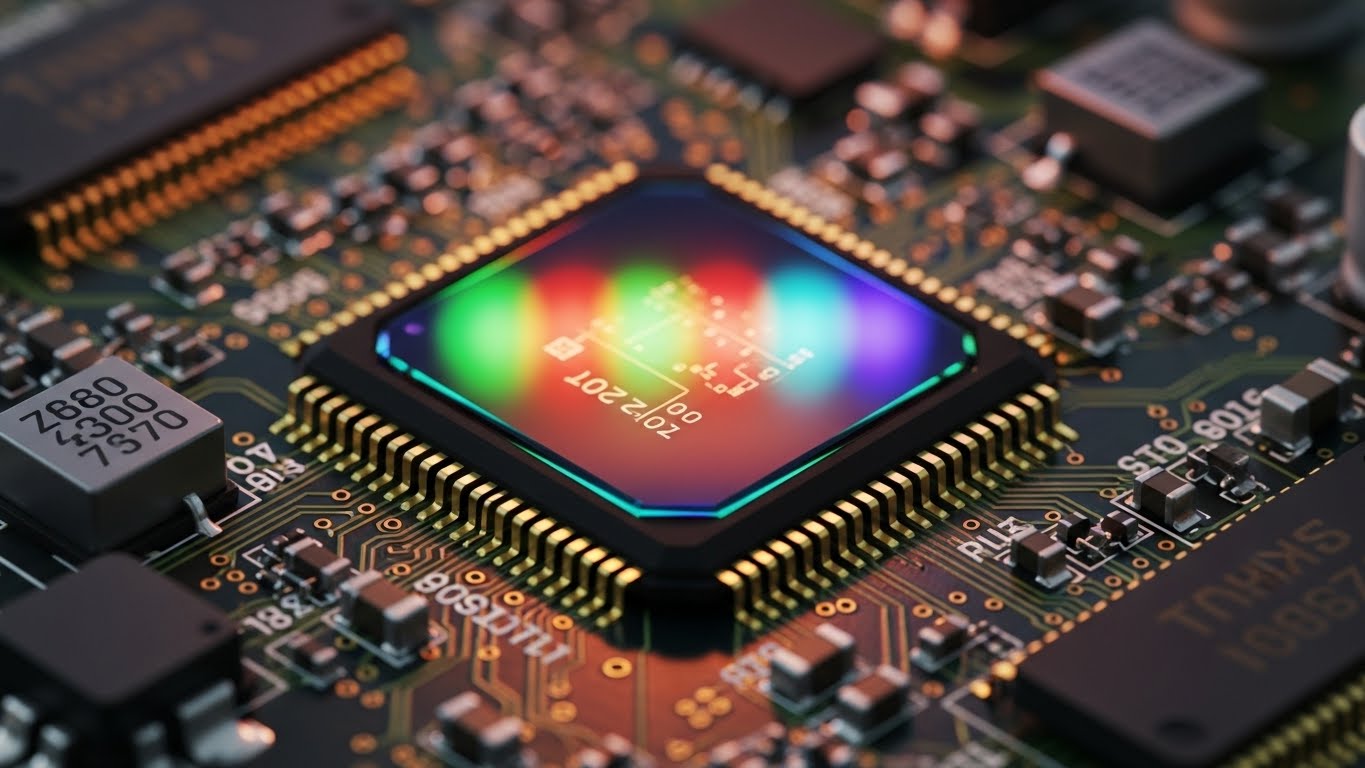
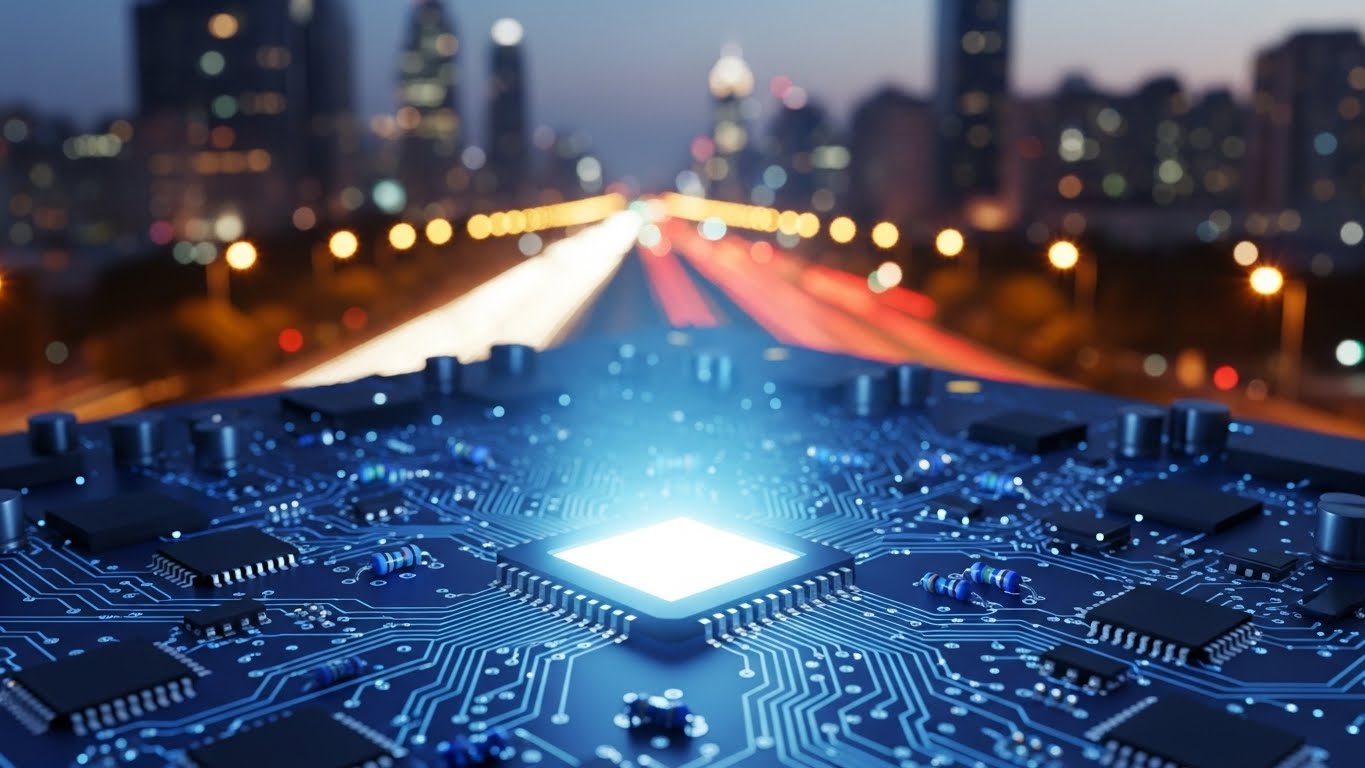
Technology has become an inseparable part of human life. From the moment we wake up to the time we go to sleep, we interact with technological devices that simplify our tasks and expand our possibilities. It is a force that drives progress, enhances communication, and transforms how we live, work, and think. Technology is not just a tool; it is the backbone of modern society, shaping the present and the future simultaneously.
Technology in Everyday Life
Every aspect of daily life is influenced by technology. Smartphones, computers, and smart home devices make life more convenient and efficient. Tasks like shopping, banking, and transportation are now digital, saving time and energy. Even in simple activities like cooking or exercising, technology plays a role through smart appliances and wearable fitness devices. It allows people to stay connected, informed, and productive like never before.
Transforming Communication
Communication has evolved dramatically due to technology. Social media, video calls, and instant messaging allow people to connect instantly across the globe. Distance is no longer a barrier to sharing ideas, collaborating on projects, or maintaining personal relationships. Technology has created a global community, where information flows freely, ideas are exchanged rapidly, and cultures interact in meaningful ways.
Technology in Education
Education has been revolutionized by technology. Online classes, interactive apps, and digital libraries have made learning more engaging and accessible. Students can now learn at their own pace, access resources from anywhere, and gain exposure to a wide range of knowledge beyond traditional classrooms. Virtual simulations and AI-based tools further personalize learning, preparing students for a future where technology will play a central role.
Impact on Healthcare
Technology has transformed healthcare, making it more accurate and efficient. Advanced diagnostic tools, robotic surgeries, and telemedicine services have improved patient care and treatment outcomes. Wearable devices monitor health in real-time, helping prevent diseases before they escalate. Technology ensures that medical expertise and life-saving solutions are accessible to people in even the most remote areas.
Challenges of Technology
Despite its advantages, technology comes with challenges. Overdependence on digital devices can affect mental health, and issues like cybercrime, privacy breaches, and misinformation are rising concerns. Excessive screen time reduces face-to-face interaction, while rapid technological changes sometimes leave people struggling to adapt. Responsible use and awareness are essential to maximize the benefits while minimizing risks.
The Future of Technology
The future of technology promises even greater innovation. Artificial intelligence, robotics, virtual reality, and sustainable energy solutions are redefining how we work and live. Smart cities, autonomous vehicles, and AI-driven healthcare are just a glimpse of what lies ahead. The key to the future will be using technology ethically and responsibly to solve global challenges and improve the quality of life for everyone.
Conclusion
Technology is more than a convenience; it is a powerful force that shapes society and the future. It connects people, drives innovation, and creates opportunities for growth and progress. As we embrace new advancements, it is crucial to balance innovation with responsibility, ensuring that technology serves humanity in meaningful and ethical ways. The journey of technology is ongoing, and its potential to transform lives is limitless.