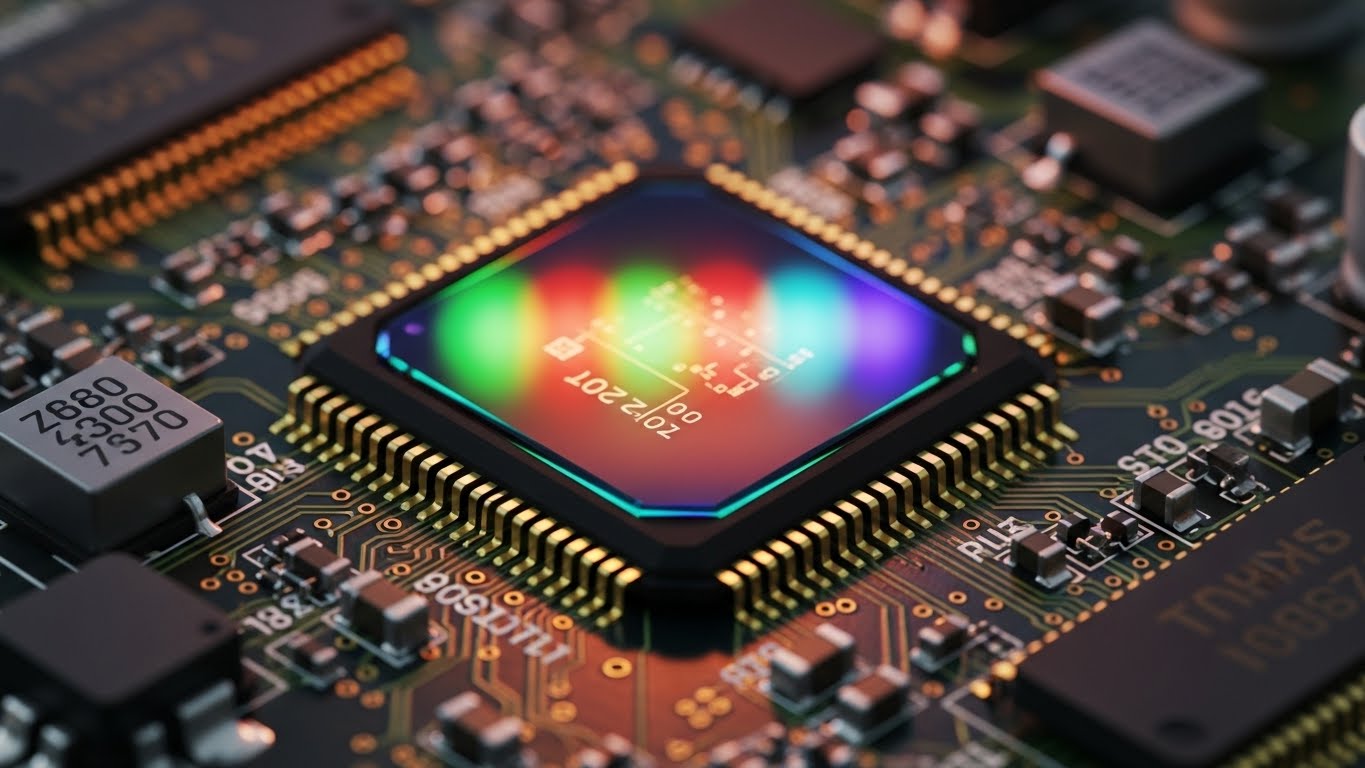
As we journey further into the 21st century, technology is no longer just a tool; it’s a force that shapes nearly every aspect of our lives. From the way we communicate to the way we work, learn, and even think, technology is driving a profound transformation. This new era can be compared to a digital renaissance, where innovation is unlocking new possibilities at an unprecedented pace. Let’s dive into how technology is redefining the future.
The Era of Artificial Intelligence and Machine Learning
Artificial Intelligence (AI) and Machine Learning (ML) are no longer futuristic concepts; they’re embedded in everyday technology. AI systems are now capable of performing tasks that once required human intelligence, such as recognizing speech, identifying images, and making decisions based on data patterns. In fact, AI is already reshaping industries from healthcare to finance, making processes more efficient and even predicting future trends.
Machine Learning, a subset of AI, is enabling machines to improve autonomously by learning from data. This capability is not just making processes smarter, but it’s also creating new ways to solve complex problems. In the field of healthcare, for example, AI-driven systems are helping doctors diagnose diseases earlier and more accurately, while financial institutions are using AI to detect fraudulent activities in real time.
The Unstoppable Rise of Automation
Automation is transforming industries around the world. Once limited to factories, automation is now permeating nearly every field, from logistics to customer service. Robots, software bots, and AI-powered tools are taking over repetitive tasks, allowing humans to focus on more creative and strategic endeavors.
This shift has enormous implications for the workforce. While automation may replace certain jobs, it also opens up new opportunities for roles that require human judgment, creativity, and emotional intelligence. By streamlining mundane processes, automation allows individuals and businesses to work smarter, not harder.
Cloud Computing: The Backbone of Modern Business
Cloud computing has become the backbone of modern business operations. It allows businesses and individuals to store and access data over the internet, reducing the need for costly on-site servers and increasing the accessibility and scalability of resources. Cloud computing is the foundation for many of the digital tools we use daily—from email services to data storage.
With the cloud, businesses can scale operations quickly, collaborate remotely, and reduce costs associated with traditional IT infrastructure. The flexibility it offers is invaluable, especially as the world shifts toward more remote and hybrid work environments. This shift has made cloud technology an essential tool in business continuity and growth.
The Promise of 5G: Faster, Smarter, More Connected
5G technology promises to revolutionize connectivity by offering faster speeds, lower latency, and the ability to connect more devices simultaneously. This leap in mobile technology will enable innovations across various industries, from self-driving cars to smart cities. With 5G, the internet of things (IoT) will expand significantly, creating a seamless network where devices communicate with one another in real-time.
The impact of 5G will be most noticeable in industries that require instant data transmission, such as healthcare. Remote surgeries, for example, will become more precise and efficient with the low-latency capabilities of 5G. Similarly, businesses will be able to harness the power of real-time analytics to make faster, data-driven decisions.
Cybersecurity: Protecting the Digital Age
As our reliance on digital technologies grows, so does the importance of cybersecurity. The rapid pace of innovation has also led to an increase in cyber threats, with hackers targeting sensitive information and critical infrastructure. The protection of data and privacy has never been more critical.
In response, cybersecurity is becoming more sophisticated. Advanced encryption techniques, AI-powered threat detection, and multi-factor authentication are just a few of the strategies being implemented to safeguard digital assets. As we move forward, ensuring that our digital lives remain secure will be one of the most important challenges to tackle.
The Role of Blockchain in Revolutionizing Trust
Blockchain technology, best known for being the foundation of cryptocurrencies, is being explored for its potential to revolutionize industries beyond finance. By providing a decentralized, transparent, and secure way to store and share data, blockchain is set to transform sectors like supply chain management, healthcare, and even voting systems.
In the world of finance, blockchain is already improving transparency and reducing fraud. In healthcare, it has the potential to create secure, tamper-proof medical records. As trust becomes an increasingly valuable commodity in the digital world, blockchain offers a way to ensure integrity and transparency in transactions.
The Future of Work: Embracing Remote and Hybrid Models
Technology is not just changing how we live; it’s changing where and how we work. Remote and hybrid work models, powered by collaboration tools like video conferencing and project management software, have become the norm rather than the exception. These models are not just about flexibility—they’re also about increasing productivity and allowing businesses to tap into a global talent pool.
However, this shift also requires businesses to rethink their approach to culture, leadership, and employee well-being. With the rise of digital workspaces, maintaining strong connections and a sense of community is a challenge, but also an opportunity to innovate how we work together in virtual environments.
The Ethical Dilemmas of Technological Progress
With great power comes great responsibility. As technology advances, it also raises ethical questions. How do we balance innovation with privacy? How can we ensure that AI is used responsibly? And what will be the impact of automation on jobs and social inequality?
These are critical questions that need to be addressed as we move into the future. Governments, businesses, and individuals must work together to establish frameworks for responsible tech development. Ethical considerations will need to be at the forefront of discussions around AI, data privacy, automation, and digital security.
Conclusion: The Endless Possibilities of Tomorrow
Technology has become an integral part of our world, and its potential is boundless. As we continue to innovate, we will unlock new ways to enhance our lives, solve problems, and connect with one another. From AI to blockchain, automation to 5G, each advancement is a step toward a smarter, more efficient world.
However, with this progress comes the need for responsibility. As we look toward the future, it’s crucial that we approach technological advancements with a balance of creativity, ethics, and human-centered design. The digital renaissance is just beginning, and the possibilities for what we can achieve are endless.