Introduction
Technology has become the beating heart of modern civilization. From the simplest gadgets in our homes to the most complex systems driving industries, technology influences every moment of our lives. It defines how we communicate, how we work, how we entertain ourselves, and even how we think. The modern era is shaped by technological innovation, where each year introduces breakthroughs that change our world in ways we could once only imagine.
As humanity continues to evolve, technology acts as both a tool and a teacher. It amplifies human creativity, expands our reach beyond physical boundaries, and provides solutions to global challenges. But alongside progress, it brings new questions—about privacy, ethics, sustainability, and human identity. Understanding technology’s evolution and impact helps us appreciate not just what we have achieved, but where we are heading.
This blog explores the vast landscape of technology—its evolution, applications, and influence on every aspect of society. It will highlight how innovations have reshaped industries, connected the globe, and created a future that seems limitless.
The Evolution of Technology
The story of technology begins long before the digital age. It started when early humans first discovered fire and learned to craft tools. Those primitive inventions were humanity’s first steps toward shaping the environment. The invention of the wheel, the development of language, and the rise of agriculture marked the birth of civilization, powered by technological curiosity.
As centuries passed, humans continued to innovate. Ancient engineers built irrigation systems, the printing press revolutionized communication, and the compass opened new paths for exploration. Each invention built upon the last, setting the stage for the Industrial Revolution—a period that transformed human labor through machinery.
The Industrial Revolution redefined production and transportation. Steam engines, textile machines, and railways connected continents. Technology became a driving force for economic and social growth. Yet, as the industrial age matured, another revolution began brewing—the digital one.
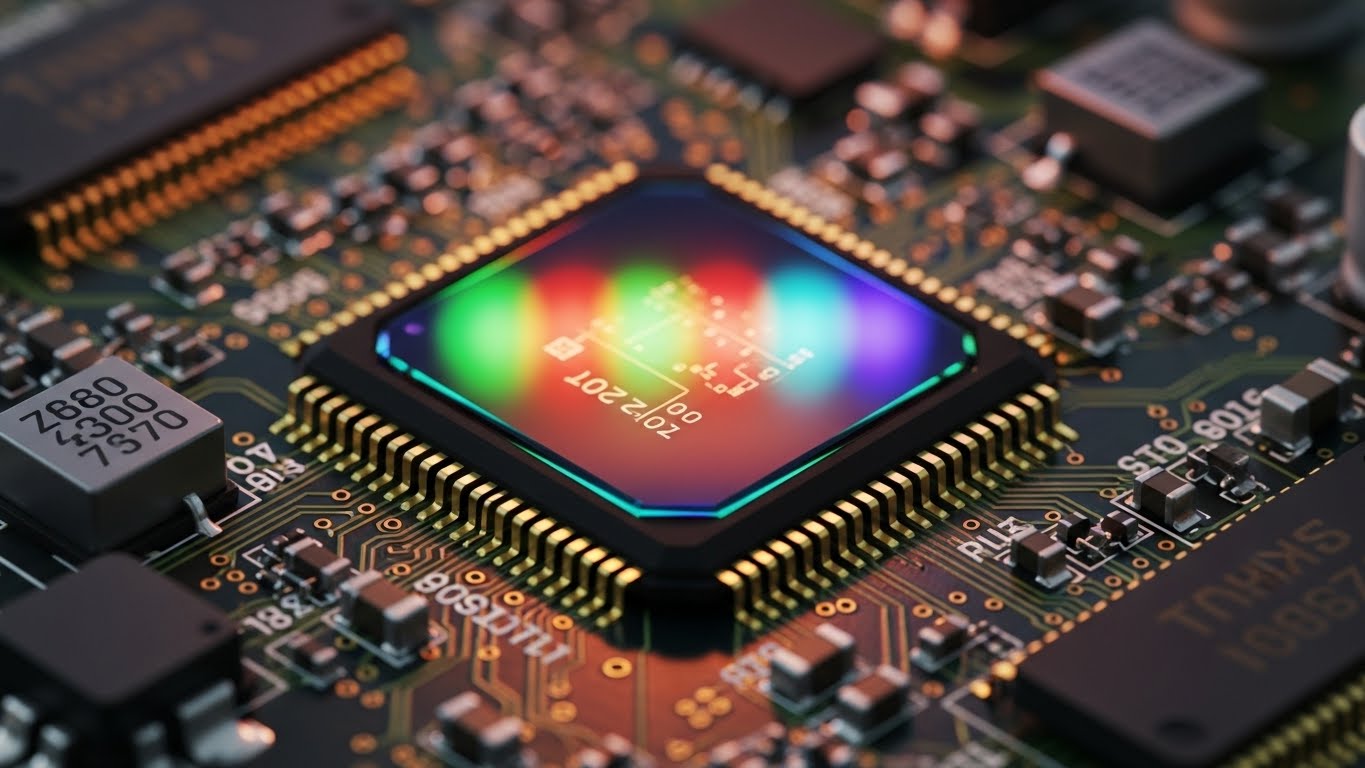
The 20th century saw the birth of computers, electronics, and telecommunications. The invention of the microchip changed everything, making computing power accessible to the masses. By the late 20th century, the rise of the internet created a new kind of society—one connected through invisible networks of information. Technology was no longer a luxury or tool for the elite; it became an essential part of human existence.
The Digital Revolution
The digital revolution has arguably been the most transformative event in human history. It redefined how we interact with information and with each other. The computer, once a massive machine that filled entire rooms, evolved into a compact device that fits in our pockets.
The internet democratized knowledge. Information that was once locked in libraries and archives became instantly accessible. Communication became instant and global, erasing borders and time zones. Social media platforms, online education, and digital marketplaces changed the dynamics of business and relationships.
The smartphone symbolizes this revolution more than any other invention. It is not just a phone; it is a camera, a GPS, a notebook, a wallet, and a personal assistant. It represents the convergence of multiple technologies into one seamless device. The digital age gave rise to new industries, new careers, and new cultures.
Artificial Intelligence and Machine Learning
Artificial intelligence (AI) is one of the most groundbreaking developments of our time. It has transformed the way machines process information, learn patterns, and make decisions. AI is no longer a concept from science fiction—it is a daily reality powering search engines, voice assistants, medical tools, and financial systems.
Machine learning, a subset of AI, enables systems to improve through experience. Algorithms can analyze vast amounts of data, identify trends, and make predictions with remarkable accuracy. From personalized recommendations on streaming platforms to detecting fraudulent activities in banking, AI enhances efficiency and decision-making across industries.
In healthcare, AI aids in diagnosing diseases early and personalizing treatment plans. In transportation, autonomous vehicles are being developed to reduce accidents and congestion. In education, AI-based systems adapt lessons to individual learning styles. Yet, the rise of AI also brings ethical debates—questions about privacy, bias, and the potential loss of jobs.
Despite challenges, AI represents humanity’s desire to understand intelligence itself. It has the potential to solve problems previously considered unsolvable, pushing the boundaries of science, art, and creativity.
The Internet of Things and Smart Living
The Internet of Things (IoT) has extended digital intelligence into the physical world. It connects everyday objects to the internet, allowing them to send, receive, and analyze data. This technology is transforming homes, cities, and industries into smarter, more efficient systems.
In homes, IoT powers smart thermostats, lighting, and security systems that can be controlled from anywhere. Appliances communicate with users, learning preferences and habits to improve convenience and energy efficiency. Cities use IoT for smart infrastructure—traffic lights that adapt to real-time conditions, waste management sensors, and intelligent power grids that reduce energy consumption.
For industries, IoT enhances production and logistics by providing real-time monitoring and predictive maintenance. Farmers use connected sensors to optimize irrigation and soil health, while healthcare providers track patients remotely through wearable devices.
The power of IoT lies in its ability to collect and analyze data at scale. It enables better decision-making, resource management, and sustainability. However, it also requires strong cybersecurity measures to protect sensitive information from misuse.
The Role of Data and Cloud Computing
Data has become the lifeblood of modern technology. Every action online—whether searching, buying, or posting—creates data that can be analyzed to improve services and predict trends. The challenge lies in managing and processing this immense volume of information.
Cloud computing offers the perfect solution. Instead of relying on physical storage, cloud services allow users and organizations to store data remotely and access it from anywhere. It provides flexibility, scalability, and cost-efficiency. Businesses can operate globally without maintaining massive infrastructure.
Cloud technology has also accelerated innovation by supporting artificial intelligence, app development, and remote collaboration. It enables small startups to compete with large corporations by offering access to powerful computing resources. In a world moving toward digital-first operations, the cloud serves as the invisible backbone of the economy.
Cybersecurity and Digital Trust
As technology advances, so do the risks associated with it. Cybersecurity has become one of the most critical issues in the modern world. Data breaches, hacking, and online fraud threaten both individuals and institutions. Protecting digital information is now as important as securing physical assets.
Cybersecurity technologies have evolved to include encryption, biometric authentication, and artificial intelligence-based threat detection. Governments and corporations invest heavily in cyber defense to prevent attacks that could disrupt economies and compromise national security.
Individuals must also take responsibility for their online safety—using strong passwords, avoiding phishing scams, and securing personal data. In the digital era, trust is the foundation of progress. Without it, even the most advanced systems can crumble.
Automation and the Future of Work
Automation, powered by robotics and artificial intelligence, is redefining the workplace. Machines now handle repetitive, dangerous, or precise tasks that were once limited to human labor. Factories use robotic arms for assembly, warehouses deploy autonomous drones for inventory, and offices automate data entry and analysis.
This transformation increases efficiency and reduces human error, but it also sparks concerns about job displacement. As machines become capable of more complex tasks, workers must adapt through reskilling and lifelong learning. The future of work will likely involve collaboration between humans and intelligent systems, combining creativity and precision.
Automation also opens opportunities for new careers in technology, from robot programming to data science and cybersecurity. The key to thriving in the future workforce lies in adaptability and innovation.
Renewable Energy and Green Technology
One of the most important technological trends today focuses on sustainability. Green technology aims to address climate change through cleaner, more efficient energy solutions. Solar panels, wind turbines, and hydroelectric power have become cornerstones of renewable energy systems.
Electric vehicles reduce pollution and dependence on fossil fuels, while advances in battery technology improve energy storage. Smart grids and energy-efficient appliances help manage consumption and reduce waste. Sustainable agriculture uses drones and sensors to conserve water and minimize chemical use.
Technology has shown that progress and environmental responsibility can coexist. By investing in renewable energy and sustainable design, societies can ensure that technological growth benefits both people and the planet.
Quantum Computing and the Next Frontier
Beyond classical computing lies a revolutionary concept—quantum computing. While traditional computers process data in binary bits, quantum computers use quantum bits, or qubits, that can exist in multiple states simultaneously. This allows them to perform complex calculations at speeds impossible for today’s machines.
Quantum computing has the potential to revolutionize fields such as cryptography, medicine, and artificial intelligence. It could simulate molecular interactions to discover new drugs, optimize large-scale logistics, and break current encryption standards.
Although quantum technology is still in development, its promise is enormous. It represents the next leap in computing power, capable of unlocking scientific mysteries and advancing knowledge to unprecedented levels.
Virtual and Augmented Reality: The New Dimension of Experience
Virtual Reality (VR) and Augmented Reality (AR) have transformed entertainment, education, and industry. VR immerses users in digital environments, while AR overlays digital information onto the real world. These technologies are changing how we learn, train, and interact.
In gaming, VR offers immersive worlds that respond to movement and touch. In education, students explore historical events or scientific phenomena through interactive simulations. In healthcare, surgeons use AR for precision during operations. The blend of physical and digital reality enhances human understanding and creativity.
As hardware becomes more affordable and realistic, the use of VR and AR will expand into every field—from remote work collaboration to mental health therapy. These tools represent the next stage of human-computer interaction.
Technology in Everyday Life
Technology’s influence is not confined to industries; it is deeply personal. It shapes our routines, relationships, and habits. Smart devices wake us up, monitor our health, entertain us, and connect us to loved ones across the globe.
Social media platforms allow us to share experiences instantly, but they also raise concerns about digital well-being. Balancing the benefits of connectivity with the need for privacy and mental health has become a crucial discussion in modern life.
Education has been revolutionized by technology. Online learning platforms offer global access to knowledge. Students in remote areas can now study subjects once unavailable to them. Similarly, telemedicine allows patients to consult doctors from their homes, improving access to healthcare worldwide.
Conclusion
Technology is the defining force of our time. It shapes how we live, think, and dream. Every era of human history has been marked by innovation, but the speed and scope of today’s advancements are unmatched. From artificial intelligence to renewable energy, from automation to quantum computing, technology continues to expand the boundaries of possibility.
However, with great power comes great responsibility. The challenge for the future lies not in how much technology can achieve, but in how wisely humanity chooses to use it. As we look ahead, one thing remains certain—technology will continue to evolve, and with it, so will we.
The future will belong to those who embrace innovation with curiosity, responsibility, and imagination. The age of technology is not just about machines or algorithms; it is about the human spirit striving to create a better, smarter, and more connected world.