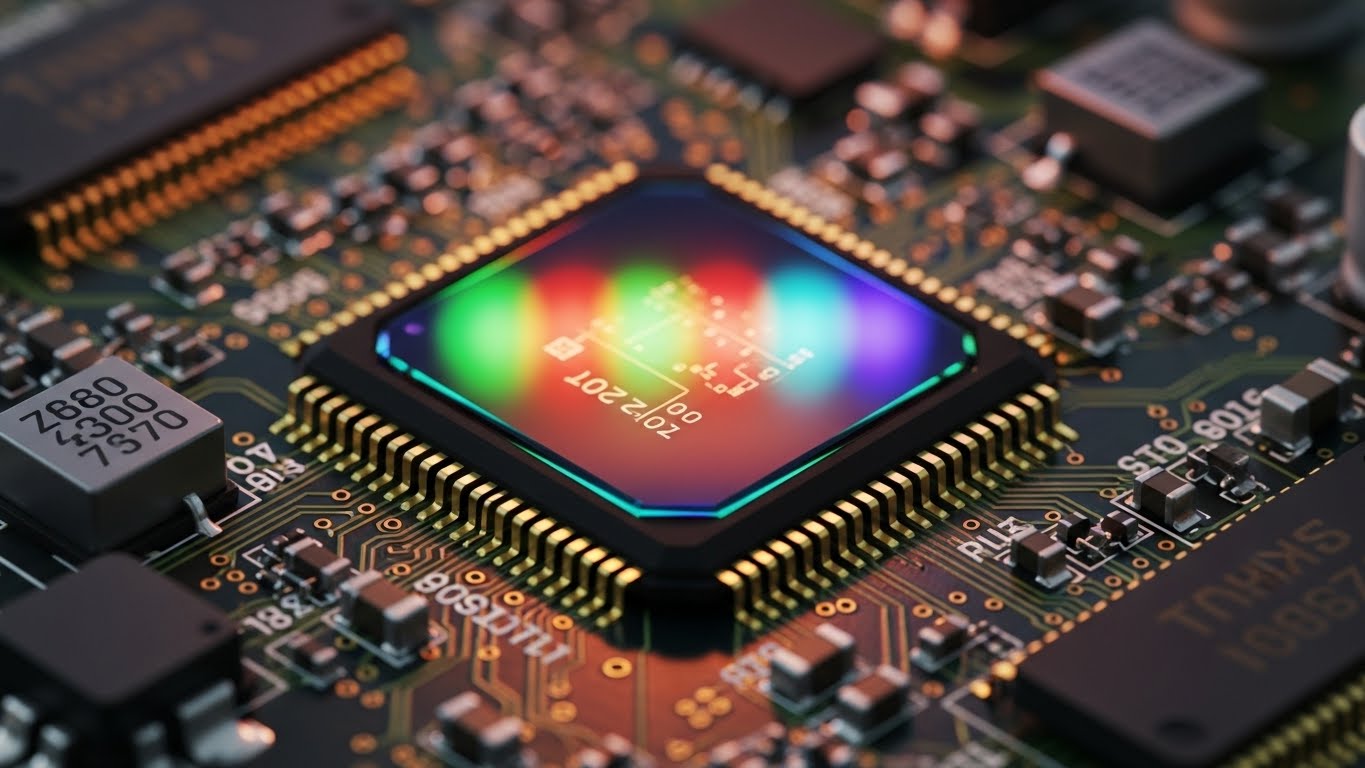
Technology is no longer a distant concept or a luxury—it’s woven into the very fabric of our daily lives. From the moment we wake up to the time we go to sleep, technology plays a significant role in how we interact with the world. But while we’re surrounded by technological advancements, the pace of innovation is faster than ever. What does the future of technology look like, and how will it continue to influence the way we live, work, and connect? This blog explores the trends and innovations that are shaping tomorrow’s world.
The Rise of Artificial Intelligence: Changing How We Think and Work
Artificial Intelligence (AI) is one of the most transformative forces in technology today. Once a futuristic dream, AI has evolved into a tangible tool that influences a wide range of industries—from healthcare and finance to transportation and entertainment. AI systems can now process vast amounts of data to make decisions, predict outcomes, and even learn from experience.
In the workplace, AI has already streamlined many processes, improving efficiency and automating repetitive tasks. Customer service chatbots, for instance, can answer questions and resolve issues in real time, reducing the need for human intervention. In healthcare, AI is helping doctors diagnose diseases more accurately and quickly by analyzing medical images and patient data.
However, the impact of AI goes beyond just automation. It’s creating new possibilities, especially in creative fields like music, art, and content creation. For example, AI algorithms can compose music, generate artwork, and write articles—challenges that once required human creativity. The rise of AI also brings with it a wave of questions around ethics, privacy, and the future of work. As AI continues to advance, it’s essential to balance innovation with responsibility.
The Quantum Leap: How Quantum Computing Will Revolutionize Everything
Quantum computing is another breakthrough technology that promises to change the landscape of nearly every industry. Unlike classical computers that use bits to process information, quantum computers use quantum bits, or qubits, which can exist in multiple states at once. This enables quantum computers to perform complex calculations at speeds unimaginable for traditional computers.
Quantum computing holds the potential to solve problems that are currently beyond the reach of even the most powerful supercomputers. For example, it could revolutionize drug discovery by simulating the behavior of molecules with incredible precision, speeding up the development of new medicines. In cybersecurity, quantum algorithms could offer new ways to protect sensitive data, making it nearly impossible for hackers to crack codes.
However, quantum computing is still in its early stages. Researchers are working on developing stable qubits and error-correction techniques to unlock the full potential of quantum systems. But even as we await further breakthroughs, the possibilities are vast, and the applications of quantum computing could redefine how we approach everything from healthcare to climate change.
5G: The Backbone of Future Connectivity
The rollout of 5G technology is another game-changer that is set to impact every industry. With its high-speed, low-latency capabilities, 5G is designed to offer faster internet speeds and more reliable connections, allowing for seamless communication and data transfer across devices. The potential of 5G extends far beyond just faster browsing on smartphones—it’s set to enable a whole new era of connectivity.
For example, 5G will empower the Internet of Things (IoT), enabling billions of devices to communicate with each other in real-time. Smart cities could become a reality, where everything from traffic lights to waste management is monitored and optimized through interconnected devices. In healthcare, 5G could facilitate remote surgeries, where doctors operate on patients from miles away using robotic systems, all thanks to ultra-low latency networks.
As 5G networks expand, they’ll also play a crucial role in the development of augmented reality (AR) and virtual reality (VR). These technologies rely on high-speed, stable connections to provide immersive experiences. With 5G’s capabilities, AR and VR applications in education, entertainment, and even business will reach new heights, allowing for richer, more interactive experiences.
Blockchain: The Revolution of Trust and Transparency
Blockchain technology, which gained fame with cryptocurrencies like Bitcoin, is now being explored for its potential in a wide range of industries. At its core, blockchain is a decentralized, immutable ledger that records transactions transparently and securely. Once information is recorded on a blockchain, it cannot be altered, making it an incredibly reliable way to store and track data.
Beyond cryptocurrencies, blockchain holds promise for transforming industries like supply chain management, finance, and healthcare. For instance, in supply chains, blockchain can provide real-time tracking of goods, ensuring transparency and reducing fraud. In finance, it could streamline transactions, reducing the need for intermediaries like banks and making payments faster and cheaper.
Blockchain is also poised to enhance data security and privacy. In healthcare, blockchain could provide secure and transparent ways to share medical records, ensuring that sensitive patient data is protected while being accessible to authorized medical professionals. As more businesses adopt blockchain solutions, the technology could disrupt traditional models of trust and accountability, fostering a new era of decentralized networks.
The Metaverse: Bridging Realities and Creating New Dimensions of Interaction
The concept of the metaverse—an interconnected virtual universe where people can interact with each other and digital environments in real time—has captivated the imagination of technologists, gamers, and futurists. While the idea of the metaverse has been around for years, recent advancements in virtual reality (VR), augmented reality (AR), and AI are making it more tangible.
In the metaverse, individuals can create avatars, socialize, work, play, and experience entertainment in entirely new ways. Virtual worlds will be populated by digital assets, such as virtual real estate, digital fashion, and unique collectibles. The rise of NFTs (non-fungible tokens) has already shown us how digital ownership and assets can be verified and traded, and these ideas are likely to play a central role in the metaverse economy.
Beyond entertainment, the metaverse could revolutionize industries such as education, healthcare, and business. Imagine attending a virtual class in a 3D classroom, conducting business meetings in immersive virtual spaces, or receiving healthcare services from a virtual doctor. While we’re still in the early stages, the potential of the metaverse is immense, offering new opportunities for interaction, work, and play.
The Ethical and Social Implications of Technological Advancements
As technology continues to advance at a rapid pace, it’s important to consider the ethical and social implications of these innovations. While these technologies promise to make our lives easier and more connected, they also raise concerns about privacy, security, and equity. For example, as AI systems become more powerful, questions arise about bias in algorithms and the potential for job displacement.
In the case of the metaverse, issues like digital addiction, data privacy, and accessibility will need to be addressed. How will virtual environments impact mental health? Who will own and control the data generated in these spaces? How do we ensure that the benefits of new technologies are distributed fairly across society?
The future of technology must be shaped by thoughtful discussions around its social, ethical, and environmental impact. As we build smarter systems and more connected worlds, we need to ensure that innovation is guided by responsibility and human-centered values.
Conclusion: Embracing the Future with Caution and Optimism
The technological advancements of today are setting the stage for an exciting future. AI, quantum computing, 5G, blockchain, and the metaverse are just a few of the innovations that promise to change the way we live, work, and interact. But as with all transformative changes, these innovations come with their own set of challenges and considerations. The key to navigating the future will be finding the right balance between progress and responsibility, ensuring that technology serves to enhance our lives and bring us closer together rather than divide us.
As we look ahead, the future of technology is filled with limitless possibilities. What remains to be seen is how we will shape this future—whether we approach it with caution, optimism, or a little bit of both. The choices we make today will have a profound impact on the world of tomorrow.