Technology has become the backbone of modern society. It influences how we live, work, communicate, travel, and even how we think. From the smartphones in our pockets to artificial intelligence systems powering global industries, technology has reshaped every aspect of human life. This blog explores the broad landscape of technology, including advancements, challenges, and the future possibilities that might redefine the world once again.
The Digital Revolution and Its Impact
The digital revolution marked one of the most significant transformations in human history. It began when computers became widely available and evolved into the age of the internet. Before that, communication was limited to letters, newspapers, and telephones. Now, information travels globally in seconds. Businesses transitioned from paper-based systems to digital databases. Governments began implementing electronic governance for better efficiency. Education systems adopted digital learning, making knowledge accessible to millions across the world. Technology also shortened the gap between innovation and its application. A new discovery can now be spread instantly across the globe and used by researchers, students, and organizations within minutes. This change has encouraged faster development and collaboration like never before.
Smartphones and the Age of Connectivity
Smartphones became one of the most impactful innovations of the 21st century. These devices are more powerful than some of the early computers used to land humans on the moon. They combine communication tools, cameras, GPS navigation, media players, and internet access in one compact device. Social media platforms, mobile applications, and instant messaging became essential parts of daily life. Access to information is easier than ever before. People can learn new skills, explore the world through virtual maps, and communicate across continents instantly. The rise of mobile networks such as 4G and now 5G made this connectivity faster and more reliable. However, smartphones also introduced challenges like screen addiction, misinformation, and privacy concerns. With constant notifications and unlimited content, people often struggle to maintain a balance between digital and real life.
Artificial Intelligence and Machine Learning
Artificial Intelligence (AI) and Machine Learning (ML) are at the core of current technological advancement. AI systems mimic human intelligence, while machine learning enables machines to learn from data. These technologies power voice assistants, smart recommendations, language translation, advanced medical diagnostics, and many other systems. Businesses use AI to analyze customer behavior, optimize supply chains, and automate repetitive tasks. In healthcare, AI helps detect diseases earlier and assists doctors with surgeries and treatment plans. In transportation, AI contributes to the development of self-driving cars and smarter traffic systems. Despite its advantages, AI poses ethical concerns. Many fear job loss due to automation. Others worry about biased algorithms and the misuse of personal data. Responsible AI development is necessary to ensure that technology benefits everyone fairly.
The Rise of Cloud Computing
Cloud computing changed how data is stored and used. Instead of relying on physical servers in one place, cloud services allow users to store information on remote servers managed by large technology companies. This provides flexibility, as data can be accessed from anywhere with an internet connection. Businesses no longer need to invest heavily in hardware. They can scale their storage and computing power according to demand. Cloud platforms also support collaboration. Teams across different parts of the world can work on the same files in real time. Despite its benefits, cloud computing comes with security challenges. Storing sensitive information on external servers increases the risk of cyberattacks. Therefore, strong encryption and secure access systems are required to protect data.
Cybersecurity in the Digital Age
As technology becomes more advanced, cyber threats also grow. Cybersecurity involves protecting systems, networks, and data from digital attacks. Hackers use various methods such as phishing, malware, ransomware, and social engineering to steal or damage information. Cyberattacks can target individuals, businesses, or even governments. A single data breach can result in financial loss and loss of trust. To combat these threats, cybersecurity tools such as firewalls, antivirus software, and encryption are used. Companies employ cybersecurity experts to monitor systems, detect threats, and respond to incidents. Awareness is equally important. People must be educated about safe browsing, strong passwords, and recognizing suspicious activity.
Internet of Things and Smart Devices
The Internet of Things (IoT) connects everyday devices to the internet, allowing them to communicate and share data. This includes smart home devices like thermostats, security cameras, lighting systems, and voice-controlled assistants. IoT is also used in agriculture, where sensors monitor soil conditions and water levels to improve crop growth. In health care, wearable devices track heart rate, sleep patterns, and physical activity. Smart cities use IoT for traffic management, waste reduction, and energy optimization. While IoT enhances efficiency and convenience, it also increases security risks. Each connected device can become a possible entry point for cyberattacks. Therefore, strong network security and regular updates are essential.
The Revolution in Transportation Technology
Transportation has seen massive improvements due to technology. Electric vehicles (EVs) are becoming more popular because they reduce pollution and fuel consumption. Companies focus on developing long-lasting batteries and building charging infrastructure worldwide. Self-driving cars use AI, sensors, and cameras to navigate roads. Although still in development, autonomous vehicles promise to reduce accidents caused by human error. High-speed trains and hyperloop systems are being designed for faster and safer travel. Drones are used for deliveries, farming, photography, and even disaster relief. They can reach places where humans cannot easily go. However, transportation technology faces challenges such as regulatory approval, safety concerns, and environmental impact from manufacturing battery materials.
Space Technology and Exploration
Space technology has made incredible progress. Private companies entered the space industry, making it more competitive and innovative. Reusable rockets reduced the cost of launching satellites and space missions. Satellites help in communication, weather forecasting, navigation, and environmental monitoring. Human missions to Mars, lunar colonies, and space tourism are becoming real possibilities. Space telescopes provide detailed images of distant galaxies and planets. They help scientists understand the universe and search for signs of life beyond Earth. Space technology also contributes to life on Earth through advancements in materials, communication, and medical devices developed for astronauts.
Virtual Reality and Augmented Reality
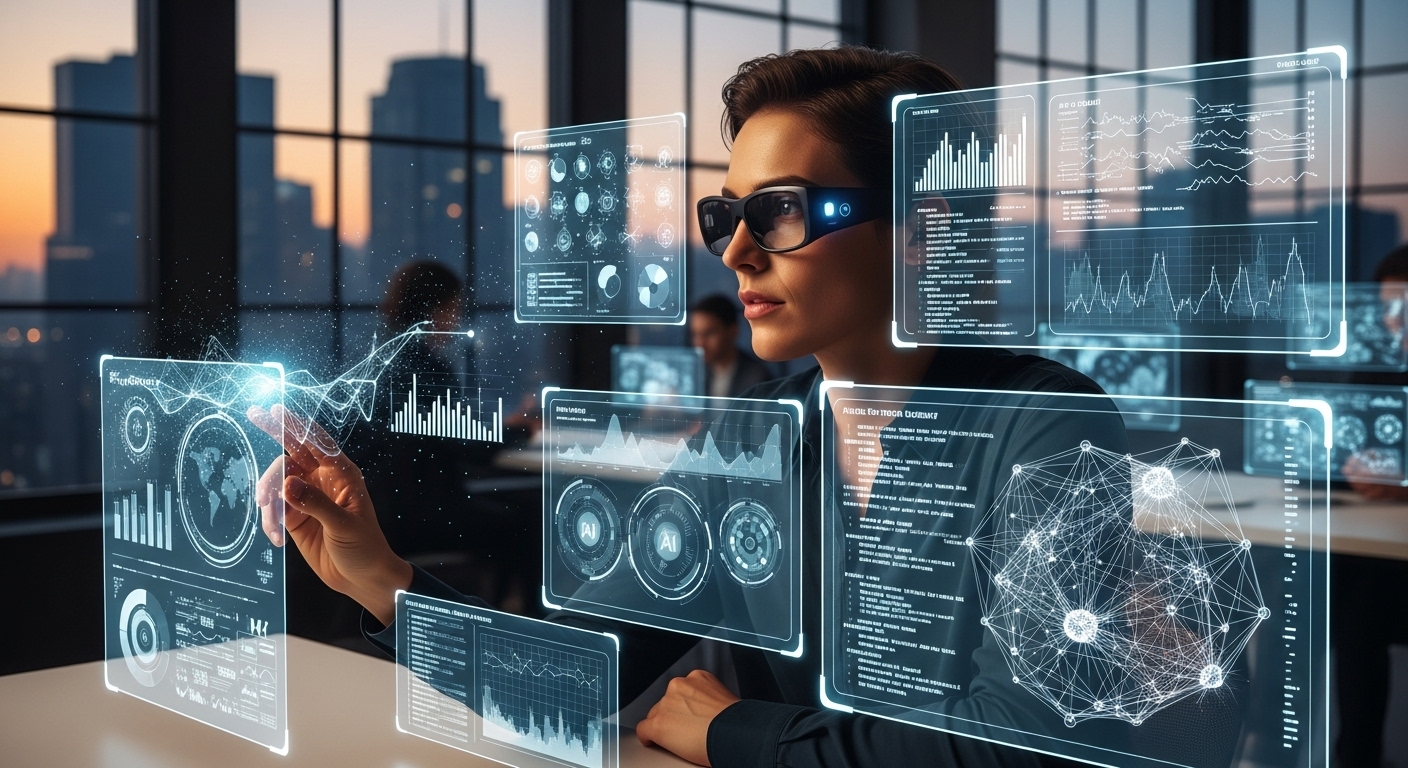
Virtual Reality (VR) and Augmented Reality (AR) technologies create immersive digital experiences. VR places users inside a fully digital environment using headsets and sensors. It is used in gaming, education, military training, and therapy. Augmented Reality enhances the real world by overlaying digital information onto physical surroundings using smartphones or special glasses. AR helps architects visualize buildings before construction and assists surgeons during complex operations. These technologies also support remote work by enabling virtual meetings in 3D spaces. As hardware becomes more affordable and powerful, VR and AR will likely become even more integrated into daily life.
The Role of Technology in Education
Technology has transformed education into a more interactive and accessible system. Online learning platforms allow students to study from anywhere, breaking geographical barriers. Digital classrooms use videos, animations, and simulations to explain complex concepts. Students can communicate with teachers and classmates through discussion boards and video calls. Technology also supports personalized learning. Artificial intelligence analyzes student performance to recommend customized lessons and exercises. However, digital education faces challenges such as unequal access to devices and internet, especially in remote or underdeveloped regions. Teachers also need training to effectively use digital tools. Despite these challenges, technology continues to shape a more flexible and inclusive education system.
Technology in Healthcare
Healthcare has improved significantly thanks to technology. Digital records help doctors quickly access patient history and share data with specialists. AI-powered systems analyze medical images and detect diseases early. Robotic surgery provides precision and reduces recovery time. Wearable health devices monitor heart rate, blood pressure, and blood oxygen levels. Telemedicine allows patients to consult doctors remotely, especially useful in rural areas. Medical research has also accelerated with advanced tools for genetic analysis, drug development, and clinical trials. Although healthcare technology increases efficiency and patient care, it also raises privacy concerns. Patient data must be protected through secure systems and regulations.
Renewable Energy Technologies
As the world faces climate change, renewable energy technologies are becoming essential. Solar panels capture sunlight and convert it into electricity. Wind turbines harness wind energy to power homes and industries. Hydroelectric power uses flowing water to generate energy. These technologies reduce dependency on fossil fuels and decrease greenhouse gas emissions. Energy storage systems like batteries store extra energy for later use. Smart grids distribute energy efficiently and detect power failures automatically. Governments and companies invest heavily in renewable energy research to improve efficiency and reduce costs. The future of clean energy depends on innovation and global cooperation.
Robotics and Automation
Robots are increasingly used in various industries to perform tasks that are dangerous, repetitive, or require high precision. In manufacturing, robots assemble cars, electronics, and appliances. In agriculture, automated machines plant seeds, water crops, and harvest produce. In homes, robotic vacuum cleaners and lawn mowers reduce manual work. Industrial robots improve productivity and reduce labor costs. However, automation raises concerns about job displacement. Workers need to learn new skills to adapt to technology-driven industries. Governments and educational institutions must provide training programs and support innovation to create new job opportunities.
Ethical and Social Challenges of Technology
Even though technology provides countless benefits, it also presents ethical and social challenges. Privacy is a major concern. Many applications collect large amounts of personal data, raising questions about how this information is used. Artificial intelligence sometimes produces biased outcomes if trained on unfair data. Technology can also widen the gap between rich and poor. Those with access to advanced tools gain more opportunities, while others are left behind. Cyberbullying, misinformation, and digital addiction are growing issues in society. Responsible development and usage of technology is essential. Governments, companies, and individuals must work together to create policies that balance innovation with ethical responsibility.
The Future of Technology
The future holds endless possibilities. Artificial intelligence is expected to become even more intelligent, capable of solving complex problems. Quantum computing may revolutionize industries by processing data much faster than today’s computers. Biotechnology could lead to personalized medicine, longer life expectancy, and improved agriculture. Advanced robotics might work alongside humans or even explore distant planets. However, with great power comes great responsibility. Developers must ensure that new technologies are safe, ethical, and beneficial for humanity. The future of technology depends on how wisely we use it today.
Conclusion
Technology is more than just machines and software; it is a force that shapes the way we live and connect with the world. From AI to renewable energy, every innovation brings both opportunities and challenges. Understanding and using technology responsibly is the key to building a better, more sustainable future. As we continue to innovate, we must remember that technology is created to serve humanity, not replace it. The progress of technology will always be intertwined with human values, creativity, and vision.