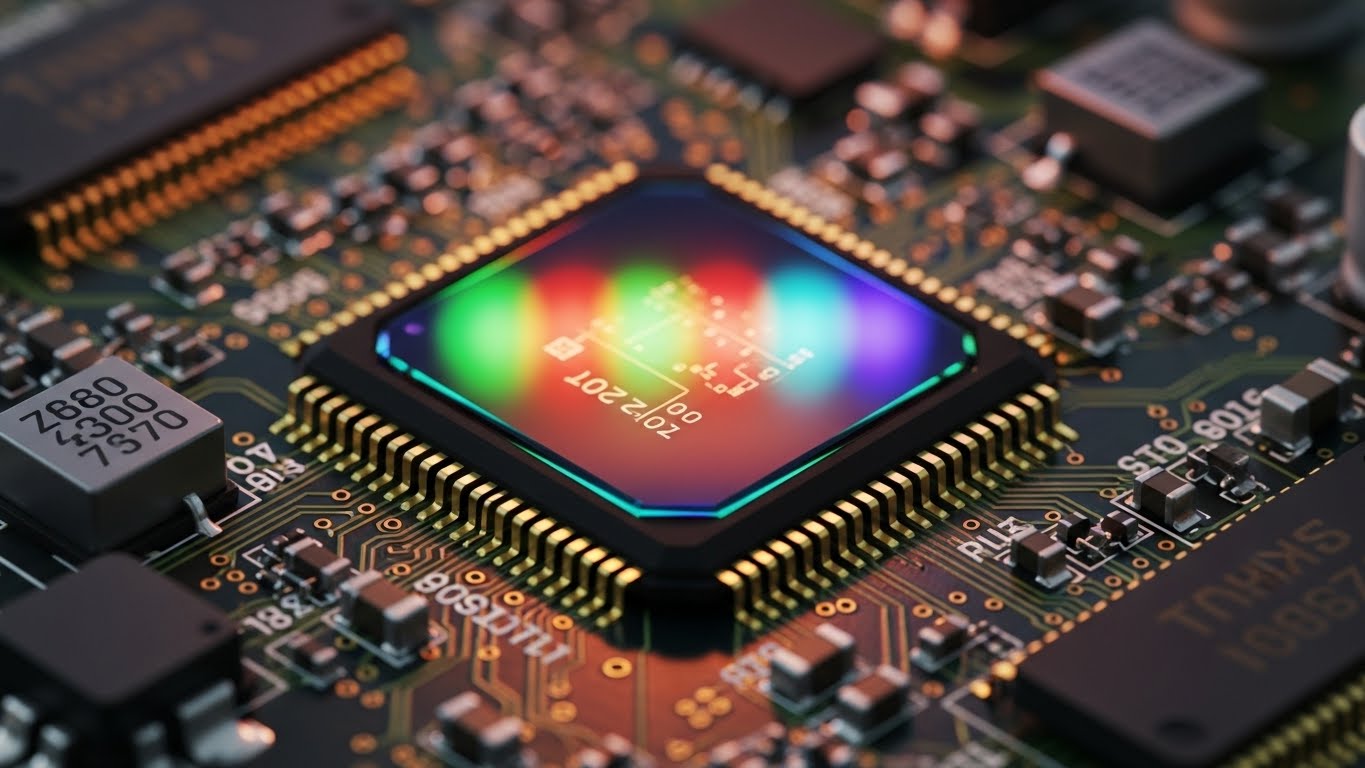
Technology has always been the driving force behind human progress. From the invention of the wheel to the rise of artificial intelligence, technological advancements have reshaped the way we live, work, and communicate. In today’s world, technology is no longer just a tool—it has become an integral part of our identity and lifestyle. In this post, we will explore how technology has evolved over the decades, its current impact, and what the future might hold.
The Historical Perspective: How Technology Began
The story of technology begins with simple innovations that addressed basic human needs. Early humans relied on tools made from stone, wood, and metal to hunt, build, and protect themselves. Over time, these tools evolved into more complex machines that could perform multiple tasks.
The Industrial Revolution marked a pivotal moment in human history. Machines powered by steam and later electricity transformed manufacturing, agriculture, and transportation. Factories emerged, productivity soared, and urbanization accelerated. This era laid the foundation for modern technology, demonstrating that innovation could fundamentally alter society.
The 20th century witnessed an unprecedented acceleration in technological development. The invention of the telephone, radio, and television revolutionized communication and entertainment. Meanwhile, the advent of computers in the mid-20th century paved the way for the digital revolution, bringing about changes that continue to shape the world today.
The Digital Revolution: Computers and Connectivity
The digital revolution fundamentally changed how humans interact with information. Early computers were massive machines capable of processing data far faster than any human could. Initially, they were limited to government and scientific applications, but over time, they became accessible to businesses and eventually consumers.
With the development of personal computers in the 1970s and 1980s, technology moved from corporate offices to homes. People could now process data, write documents, and create graphics with ease. The rise of graphical user interfaces and software applications made computing more intuitive, removing the barrier of technical expertise.
At the same time, the internet emerged as a revolutionary force. Initially a network for academic and military communication, the internet grew rapidly into a global platform connecting millions of people. Email, instant messaging, and social media transformed how we communicate, collaborate, and consume information. The internet became more than a technological tool—it became a social platform, shaping culture and influencing global trends.
Mobile Technology: Connectivity in the Palm of Your Hand
The proliferation of smartphones has been one of the most significant technological shifts in recent decades. Mobile technology allows people to access information, communicate, and perform transactions from virtually anywhere. The rise of smartphones brought with it an ecosystem of applications, ranging from productivity tools to entertainment platforms.
Mobile devices have also transformed industries. Banking, healthcare, and education now leverage mobile technology to reach wider audiences and provide more personalized services. Mobile payments and digital wallets have changed the way we handle money, reducing reliance on physical cash and cards.
Moreover, smartphones have democratized access to information. Anyone with a mobile device can now learn new skills, stay informed about world events, and participate in online communities. This level of connectivity has empowered individuals while fostering global interconnectivity.
Artificial Intelligence: Machines That Think
Artificial Intelligence (AI) represents the frontier of technological innovation. Unlike traditional software, which follows explicit instructions, AI systems can learn, adapt, and make decisions based on data. Machine learning, natural language processing, and computer vision are just a few examples of AI technologies that are transforming industries.
AI has applications across nearly every sector. In healthcare, AI helps diagnose diseases, predict outbreaks, and personalize treatments. In transportation, AI powers autonomous vehicles and optimizes logistics. In business, AI drives data analytics, customer service chatbots, and predictive modeling.
While AI offers immense potential, it also raises ethical and societal concerns. Issues such as bias in algorithms, data privacy, and job displacement are increasingly relevant as AI becomes more integrated into daily life. Managing these challenges requires thoughtful regulation and responsible innovation.
The Internet of Things: Connecting the Physical World
The Internet of Things (IoT) extends the reach of the internet beyond computers and mobile devices to everyday objects. Smart homes, wearable technology, and connected vehicles are examples of IoT in action. These devices collect data, communicate with each other, and provide real-time insights that improve convenience and efficiency.
IoT has significant implications for industries like manufacturing, agriculture, and healthcare. Smart sensors monitor equipment performance, optimize supply chains, and track environmental conditions. In agriculture, IoT devices help farmers monitor soil quality, water usage, and crop health, leading to increased productivity and sustainability.
The combination of IoT and AI is particularly powerful. By analyzing data from connected devices, AI can identify patterns, make predictions, and automate decision-making. This synergy is driving the development of smart cities, intelligent transportation systems, and personalized healthcare solutions.
Cloud Computing: Power Without Limits
Cloud computing has revolutionized the way businesses and individuals store, access, and process data. Instead of relying on local servers or personal computers, cloud computing allows users to leverage remote servers over the internet. This provides flexibility, scalability, and cost efficiency.
Organizations can now deploy applications globally without the need for extensive physical infrastructure. Cloud platforms enable real-time collaboration, seamless software updates, and secure data storage. For individuals, cloud services offer easy access to documents, media, and backups from any device.
The rise of cloud computing has also fueled the growth of other technologies, such as AI, big data analytics, and IoT. Cloud infrastructure provides the computational power needed to process large datasets, run complex algorithms, and manage interconnected devices efficiently.
Virtual Reality and Augmented Reality: Blurring the Line Between Digital and Physical
Virtual Reality (VR) and Augmented Reality (AR) are redefining how we experience digital content. VR immerses users in entirely virtual environments, while AR overlays digital information onto the real world. These technologies are not limited to gaming—they have practical applications in education, healthcare, design, and training.
In education, VR and AR provide interactive learning experiences that enhance understanding and engagement. Medical professionals use VR simulations for surgical training, while architects use AR to visualize buildings in real-world contexts. Retailers use AR to offer virtual try-ons, allowing customers to preview products before purchase.
The continued development of VR and AR hardware, combined with advances in AI and graphics processing, is making these experiences more realistic and accessible. As the technology matures, it will likely become an integral part of daily life, transforming entertainment, work, and social interactions.
Cybersecurity: Protecting Our Digital Lives
As technology becomes more pervasive, cybersecurity has emerged as a critical concern. Cyber threats, including hacking, ransomware, and identity theft, pose risks to individuals, businesses, and governments. Ensuring the security of digital systems requires advanced tools, constant vigilance, and robust policies.
Encryption, multi-factor authentication, and threat detection systems are essential components of modern cybersecurity. Organizations must also prioritize employee training, as human error remains a significant factor in security breaches.
The rise of AI and IoT introduces new challenges to cybersecurity. AI can both strengthen and threaten security systems, while the proliferation of connected devices increases the attack surface for potential hackers. Staying ahead of evolving threats requires a proactive and adaptive approach to cybersecurity.
Renewable Energy Technology: Powering a Sustainable Future
Technology is not only transforming communication and entertainment—it is also reshaping energy production. Renewable energy technologies, such as solar, wind, and hydroelectric power, are critical in addressing climate change and reducing reliance on fossil fuels.
Advances in energy storage, grid management, and smart meters are improving efficiency and accessibility. Solar panels have become more affordable, wind turbines more efficient, and batteries more capable of storing energy for later use. These innovations are enabling a transition to a cleaner, more sustainable energy infrastructure.
Moreover, technology is driving the development of electric vehicles, smart grids, and energy-efficient buildings. By integrating renewable energy with AI and IoT, we can optimize energy usage, reduce waste, and move closer to a sustainable future.
Biotechnology: Technology Meets Biology
Biotechnology represents the convergence of technology and biology. Genetic engineering, CRISPR, and bioinformatics are revolutionizing healthcare, agriculture, and environmental management. These technologies allow for precise manipulation of biological systems, enabling advancements that were once science fiction.
In medicine, biotechnology enables personalized treatments, regenerative therapies, and the development of vaccines at unprecedented speed. In agriculture, genetically modified crops improve yield, resist pests, and adapt to changing climates. Environmental biotechnology helps clean pollutants, manage waste, and conserve ecosystems.
The ethical and social implications of biotechnology are profound. Issues such as genetic privacy, bioethics, and equitable access must be carefully considered as these technologies continue to evolve.
The Future of Technology: What Lies Ahead
The pace of technological innovation shows no signs of slowing. Emerging technologies, including quantum computing, brain-computer interfaces, and advanced robotics, promise to transform the world in ways we can only begin to imagine.
Quantum computing has the potential to solve complex problems beyond the reach of classical computers, impacting fields like cryptography, drug discovery, and climate modeling. Brain-computer interfaces may redefine human-machine interaction, allowing people to control devices with thought alone. Advanced robotics could automate labor-intensive tasks, reshape industries, and even assist in disaster response.
As technology advances, society will face new challenges and opportunities. Ensuring that technological progress benefits all of humanity requires thoughtful planning, ethical considerations, and global cooperation.
Conclusion: Technology as a Catalyst for Human Progress
Technology is more than a collection of tools—it is a transformative force that shapes the very fabric of our lives. From the earliest inventions to the most cutting-edge innovations, technology has expanded human potential and reshaped society.
As we move forward, embracing technological advancements while addressing their challenges will be essential. By leveraging technology responsibly, we can improve quality of life, drive sustainable development, and unlock opportunities that were once unimaginable. The future of technology is bright, and its potential is limited only by human imagination.
In a world increasingly defined by digital connectivity, AI-driven insights, and smart devices, understanding technology is no longer optional—it is essential. By exploring, learning, and adapting, we can harness the power of technology to build a better, more connected, and more sustainable future.