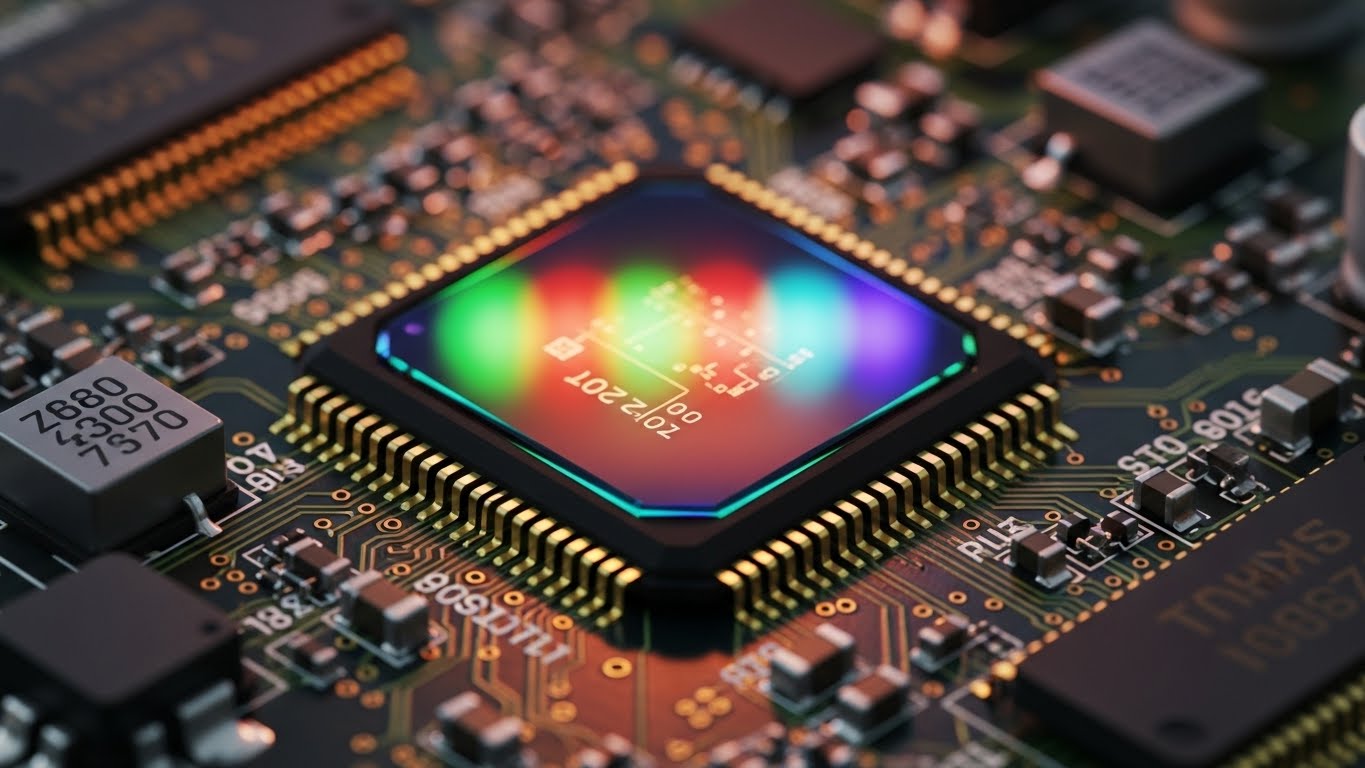
The world of technology is evolving at a breakneck pace. From artificial intelligence and quantum computing to smart cities and bioengineering, the tech landscape is experiencing groundbreaking shifts that will redefine industries, economies, and daily life. As we stand on the cusp of this transformative era, it’s fascinating to consider how these emerging technologies will shape our future. In this blog post, we’ll explore some of the most exciting innovations and discuss their potential impact on society.
Artificial Intelligence: The Brain Behind Tomorrow’s Tech
Artificial Intelligence (AI) has been one of the most buzzed-about topics in recent years, and for good reason. AI is no longer confined to science fiction — it’s already integrated into many aspects of our lives, from personalized recommendations on streaming platforms to voice assistants and autonomous vehicles.
The future of AI holds immense promise. As machine learning algorithms become more advanced, AI systems will continue to evolve, becoming smarter and more capable of solving complex problems. Industries such as healthcare, finance, and education are already leveraging AI to improve efficiency, make more informed decisions, and create personalized experiences for users. For example, AI-driven diagnostic tools are assisting doctors in identifying diseases earlier, while AI in education is enabling tailored learning experiences for students.
However, as AI continues to advance, questions about ethics, privacy, and job displacement will need to be addressed. The next few years will likely see a growing conversation about how to ensure AI benefits everyone equitably and safely.
Quantum Computing: Unlocking Unimaginable Power
Quantum computing is another frontier that promises to revolutionize the tech world. Unlike traditional computers, which use binary code to process data, quantum computers leverage the principles of quantum mechanics to perform calculations at exponentially faster rates. These machines can handle complex simulations and solve problems that are currently beyond the capabilities of classical computers.
While quantum computing is still in its infancy, its potential applications are mind-boggling. From cryptography to drug development and climate modeling, quantum computers could unlock solutions to some of the world’s most pressing challenges. For instance, quantum computing could lead to breakthroughs in drug discovery, allowing scientists to model molecular interactions with incredible accuracy and speed, thus accelerating the development of new treatments and vaccines.
Though quantum computing is not yet mainstream, it’s clear that it will play a significant role in the future of technology. As researchers and tech giants like IBM and Google continue to make progress, we’re likely to see advancements that will alter entire industries.
5G and Beyond: The Future of Connectivity
One of the most anticipated tech developments in recent years is the rollout of 5G networks. This next-generation wireless technology promises to deliver lightning-fast internet speeds, ultra-low latency, and the ability to connect a massive number of devices simultaneously. 5G will not only improve the speed and reliability of mobile networks but also unlock new opportunities for innovation across a wide range of industries.
For example, the Internet of Things (IoT) will thrive in a 5G-enabled world. With nearly every device, from refrigerators to smartwatches, connected to the internet, 5G will enable real-time communication between these devices, creating smarter homes, cities, and industries. Autonomous vehicles, which require real-time data transmission for safe navigation, will also benefit from 5G’s low latency.
In the coming years, we may even see the development of 6G, which could usher in even faster speeds and more advanced applications, such as holographic communications and seamless augmented reality (AR) experiences. The possibilities for enhanced connectivity are endless.
Smart Cities: The Intersection of Technology and Urban Living
As urban populations continue to grow, cities are facing unprecedented challenges in terms of infrastructure, energy consumption, transportation, and public services. This is where smart cities come in — urban environments that use technology to improve the quality of life for their residents and make cities more sustainable.
Smart cities leverage IoT sensors, AI, and data analytics to optimize everything from traffic flow to waste management. For example, smart traffic systems can reduce congestion by adjusting traffic light patterns based on real-time data, while smart meters can monitor and control energy usage in homes and buildings, helping to reduce overall consumption.
The goal of smart cities is not only to improve efficiency but also to create more sustainable, resilient communities. By integrating technology into urban planning, cities can reduce their carbon footprint, enhance public safety, and improve overall livability. The rise of smart cities will likely be one of the most significant tech trends in the coming decades.
Bioengineering: The Next Frontier in Healthcare
Bioengineering, or the intersection of biology and engineering, is a rapidly growing field that is poised to revolutionize healthcare. With advancements in gene editing, personalized medicine, and tissue engineering, bioengineering is opening up new possibilities for treating and even curing diseases that were once thought incurable.
One of the most exciting areas of bioengineering is gene therapy. Technologies like CRISPR allow scientists to edit genes with unprecedented precision, potentially curing genetic disorders at the source. In addition, advancements in prosthetics and organ regeneration are improving the quality of life for individuals with disabilities and those in need of organ transplants.
The future of bioengineering also includes personalized medicine, where treatments are tailored to an individual’s genetic makeup, ensuring more effective and less invasive therapies. As bioengineering continues to progress, we may see the emergence of “designer” treatments that prevent diseases before they even occur.
Blockchain and Decentralized Finance: Redefining Trust
Blockchain technology, best known for its use in cryptocurrencies like Bitcoin, has far-reaching implications that go beyond digital currencies. At its core, blockchain is a decentralized ledger that records transactions in a secure and transparent manner. This technology has the potential to disrupt industries ranging from finance to supply chain management.
In the realm of finance, blockchain enables decentralized finance (DeFi), which eliminates the need for traditional banks and financial intermediaries. DeFi platforms allow individuals to lend, borrow, and trade assets peer-to-peer, reducing costs and increasing financial inclusion. Blockchain also has the potential to revolutionize supply chain management by providing an immutable record of product origins, ensuring transparency and reducing fraud.
As blockchain technology matures, it may reshape the way we conduct business, store data, and interact with digital assets, making it one of the most exciting technologies to watch in the coming years.
Conclusion: A New Era of Possibilities
The future of tech is brimming with potential. From AI and quantum computing to smart cities and bioengineering, the innovations emerging today will shape the world of tomorrow. While challenges such as ethics, privacy, and security will need to be addressed, the opportunities for positive change are limitless.
As technology continues to advance at an unprecedented rate, we must stay curious and adaptable, ready to embrace the changes that lie ahead. The next wave of innovation is already here, and it promises to transform not only industries but the very fabric of our daily lives. The future of tech is not just about gadgets and software; it’s about creating a smarter, more sustainable, and more connected world for everyone.