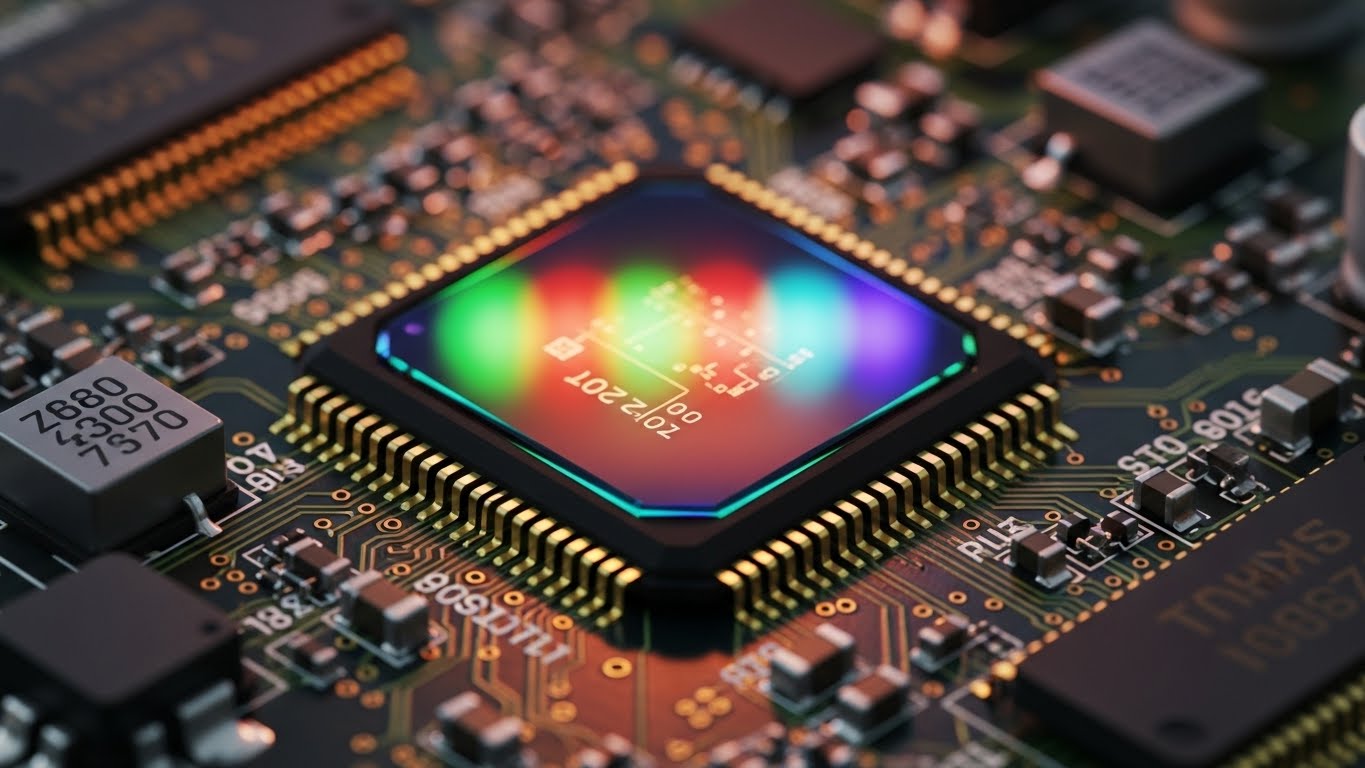
Introduction: The Ever-Changing Landscape of Technology
In today’s world, technology is not just a tool—it’s a driving force behind almost every aspect of modern life. From how we work and communicate to how we entertain ourselves and manage our health, technological advancements are rapidly altering our daily experiences. The pace of innovation is quicker than ever, and each breakthrough seems to bring us closer to a future once only imagined in science fiction. In this blog, we’ll explore some of the most impactful technologies shaping our present and future.
The Rise of Artificial Intelligence: A New Era of Smart Systems
Artificial Intelligence (AI) is arguably one of the most transformative technologies of our time. From personal assistants like Siri and Alexa to advanced machine learning algorithms, AI is already embedded in our daily routines. What makes AI so groundbreaking is its ability to learn and adapt. It can analyze vast amounts of data, recognize patterns, and make predictions, improving efficiency in industries ranging from healthcare to finance.
AI’s role in automating tasks is another game-changer. In the workplace, it’s freeing up human workers from mundane tasks, allowing them to focus on more creative and strategic endeavors. As AI continues to evolve, its potential to revolutionize everything from autonomous vehicles to personalized healthcare is immense. The future of AI promises smarter systems that can understand context, make ethical decisions, and potentially surpass human capabilities in certain domains.
5G Technology: A Leap Into the Future of Connectivity
The rollout of 5G networks is a significant milestone in the tech world. While 4G brought faster mobile internet and improved connectivity, 5G is set to take it to the next level. With speeds up to 100 times faster than 4G, 5G will enable real-time, lag-free communication, opening doors for innovations like self-driving cars, smart cities, and ultra-high-definition video streaming.
One of the key benefits of 5G is its ability to connect millions of devices simultaneously with minimal latency. This will boost the development of the Internet of Things (IoT), where everyday objects—such as refrigerators, wearable devices, and even streetlights—will be able to communicate with each other seamlessly. The 5G revolution is not just about faster speeds; it’s about creating a hyper-connected world that’s smarter, more efficient, and more responsive.
Blockchain: More Than Just Cryptocurrency
Blockchain technology has gained widespread recognition through its association with cryptocurrencies like Bitcoin. However, its applications extend far beyond digital currencies. At its core, blockchain is a decentralized and transparent ledger that securely records transactions across multiple computers. This means that once a piece of data is recorded, it cannot be altered or tampered with, ensuring transparency and security.
Blockchain is already disrupting industries like finance, supply chain management, and even healthcare. In finance, blockchain enables faster, cheaper, and more secure cross-border transactions. In supply chains, it offers traceability, allowing consumers to know exactly where a product comes from and how it was made. In healthcare, blockchain can provide secure patient data management, making it easier for doctors and hospitals to access critical information without compromising privacy.
The Growth of Virtual and Augmented Reality: Immersive Experiences Like Never Before
Virtual Reality (VR) and Augmented Reality (AR) are technologies that have gained tremendous traction in recent years. VR immerses users in fully digital worlds, while AR overlays digital elements onto the real world. These technologies have vast applications beyond gaming, such as in education, healthcare, and retail.
In education, VR can simulate real-world scenarios, giving students hands-on experience in a safe, controlled environment. For example, medical students can practice surgery through VR simulations, honing their skills without risk to real patients. AR, on the other hand, is transforming shopping experiences by allowing customers to try products virtually before making a purchase. As the hardware and software for VR and AR continue to improve, the line between the digital and physical worlds will become even more blurred, offering new ways for individuals to interact with their surroundings.
Quantum Computing: The Future of Problem-Solving
Quantum computing is still in its early stages, but its potential to revolutionize industries is enormous. Unlike classical computers, which process information in bits (0s and 1s), quantum computers use qubits, which can exist in multiple states at once. This allows them to process vast amounts of data simultaneously, making them capable of solving complex problems that would take traditional computers millennia to compute.
The impact of quantum computing could be felt in industries ranging from drug development to climate modeling. For example, it could help scientists simulate complex molecules for drug discovery, significantly speeding up the process of finding new treatments. Similarly, quantum computing could help optimize supply chains, improve financial forecasting, and enhance security systems by making encryption unbreakable.
The Role of Tech in Sustainability: Green Innovations for a Better Future
As the world faces increasing environmental challenges, technology is playing a crucial role in creating sustainable solutions. Renewable energy technologies, like solar and wind power, are becoming more efficient and affordable thanks to advances in materials science and energy storage systems. Smart grids powered by AI can optimize energy usage, reducing waste and ensuring that power is distributed efficiently.
Electric vehicles (EVs) are another example of tech contributing to a greener future. With improved battery technology and charging infrastructure, EVs are becoming more accessible to consumers, helping to reduce carbon emissions. Additionally, tech is enabling more sustainable farming practices through precision agriculture, where data-driven insights help farmers reduce water usage, optimize crop yields, and minimize the environmental impact of pesticides and fertilizers.
Conclusion: The Future is Bright—But We Must Be Cautious
Technology is undeniably shaping our future in remarkable ways. From artificial intelligence to quantum computing, the innovations emerging today hold the promise of solving some of humanity’s most pressing problems, while also enhancing our daily lives in ways we’ve never imagined. However, with great power comes great responsibility. As we embrace these new technologies, we must also be mindful of the ethical, social, and environmental implications they bring.
The future of tech is exciting, but it’s up to all of us—governments, businesses, and individuals—to ensure that these advancements benefit society as a whole. By doing so, we can create a world where technology not only improves our lives but also helps solve the challenges of tomorrow.